Your nervous system controls everything—movement, sensation, coordination, and even how you react to stress. But when your nerves feel off, weak, or overly sensitive, daily life becomes uncomfortable. That brings up a powerful question: Which exercise is best for nerves?
Nerve health isn’t just about medication or rest. It thrives on movement, consistency, and hydration. The right exercises strengthen the nerves, improve coordination, reduce pain, and rebuild your mind-body connection.
In this guide, you’ll learn:
Which exercise is best for nerves?
How movement improves nerve function
The importance of hydration during recovery
A full list of top Nerve Strengthening Exercises
Common mistakes to avoid
Let’s break it down step by step and help you move toward better nerve health—naturally and effectively.
Understanding Your Nervous System
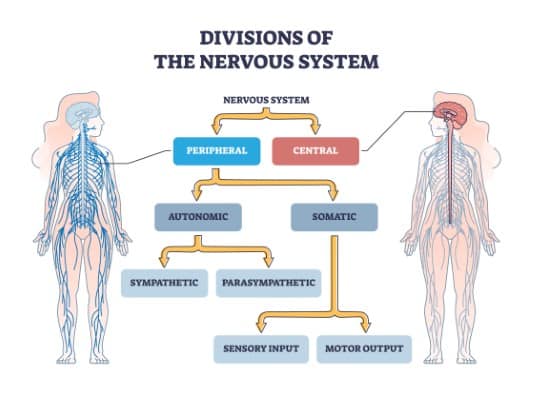
Your body has two main parts of the nervous system:
Central Nervous System (CNS): Brain and spinal cord
Peripheral Nervous System (PNS): Nerves that branch out to your limbs and organs
Nerve issues can stem from injury, poor circulation, diabetes, vitamin deficiency, stress, or lifestyle habits. Symptoms may include:
Tingling
Numbness
Burning
Weakness
Coordination problems
So, when you ask, which exercise is best for nerves?, you’re really asking how to repair and support this intricate system using physical activity.
Why Exercise Helps Your Nerves
Movement encourages blood flow, reduces inflammation, activates muscles, and stimulates nerve growth. That’s why physical activity—especially the right kind—is critical for nerve health.
Here’s how exercise improves nerve function:
Boosts oxygen and nutrient delivery to damaged nerves
Encourages new nerve pathways and muscle coordination
Reduces nerve-related pain through endorphin release
Improves posture and balance
Lowers stress, which directly impacts the nervous system
That’s where Nerve Strengthening Exercises come in.
Which Exercise Is Best for Nerves? – Top 10 Choices
Let’s explore the best exercises to improve nerve strength, coordination, and function. These can be done at home or with a therapist.
1. Walking (Especially Brisk Walking)
Simple, low-impact, and effective. Walking increases circulation and boosts nerve healing.
Why it works:
Improves blood flow to extremities
Activates large muscle groups
Enhances coordination
Start with:
20–30 minutes daily. Use flat, supportive shoes.
Hydration Tip:
Drink a glass of water before and after your walk. Dehydrated nerves become irritable and sluggish.
2. Stretching and Flexibility Work
Gentle stretching reduces stiffness, relieves tension, and improves nerve glide (nerve mobility along its path).
Best stretches for nerves:
Neck and shoulder rolls
Seated hamstring stretch
Wrist and ankle rotations
Hold each stretch for 15–30 seconds. Breathe deeply.
3. Balance Exercises
Balance training rebuilds nerve pathways between your muscles and brain.
Try:
Standing on one leg (hold onto a chair if needed)
Heel-to-toe walking
Balance board or cushion
Do 2–3 sets of 30 seconds each side.
4. Yoga
Yoga calms the nervous system while increasing strength and flexibility.
Why yoga helps nerves:
Stimulates the vagus nerve (which controls relaxation)
Improves breath control
Releases tension from the spine and hips
Poses to try:
Child’s pose
Downward dog
Cat-cow stretch
Cobra pose
Add 10 minutes of yoga to your morning or evening routine. Drink water afterward to stay centered and hydrated.
5. Tai Chi
Tai Chi combines gentle movements with deep breathing. It improves nerve communication, focus, and coordination.
Why it works:
Boosts proprioception (body awareness)
Calms the fight-or-flight response
Enhances motor control
Practice 10–20 minutes a day using beginner Tai Chi videos or a class near you.
6. Resistance Band Training
Light resistance builds muscle and strengthens nerve-muscle connection.
Effective moves:
Banded leg raises
Shoulder rows
Biceps curls
Ankle pumps
Use light resistance at first and increase as strength improves.
7. Core Strengthening
Your core stabilizes your spine and protects spinal nerves.
Try:
Bridges
Seated leg lifts
Gentle planks
Bird-dog pose
Do 2–3 sets of 10–12 reps. Rest between rounds and sip water.
8. Deep Breathing Exercises
Breath work may not feel like “exercise,” but it directly impacts nerve activity—especially the parasympathetic system (rest and digest mode).
Practice:
4-4-4-4 Box Breathing
Diaphragmatic breathing (belly breathing)
Alternate nostril breathing (great for vagus nerve)
Breathe deeply 5–10 minutes daily. Always hydrate afterward to help your body flush out stress hormones.
9. Foam Rolling and Self-Massage
These techniques stimulate nerve endings and improve blood flow.
Focus on:
Calves
Lower back
Shoulders
Feet (use a tennis ball)
Roll for 30–60 seconds per area. Stay hydrated to help your tissues recover.
10. Swimming or Water Aerobics
Water reduces joint impact while allowing full-body movement.
Benefits for nerves:
Supports mobility without pressure
Encourages fluid circulation
Boosts mood and oxygen levels
Swim for 20–30 minutes 2–3 times a week. Bring a water bottle—even in the pool, you lose fluids through exertion.
Why Hydration Supports Nerve Function
Hydration is not just a side note—it’s a necessity for your nerves. Water fuels nearly every process in your nervous system.
What hydration does:
Supports electrolyte balance for nerve signaling
Keeps tissues and spinal discs lubricated
Prevents nerve inflammation
Aids in muscle recovery after exercise
Supports mental focus during breath work or balance training
How to hydrate smartly:
Drink 2–3 liters of water per day
Increase intake on days you exercise
Add electrolytes if you sweat heavily
Start your day with a glass of water
Combine hydration with movement and you’ll notice better energy, faster recovery, and reduced nerve-related discomfort.
Nerve Strengthening Exercises: Build a Routine
Here’s how you can structure a simple weekly routine using the best exercises:
Monday:
Brisk walk (30 mins)
Light stretching
Core training
Tuesday:
Yoga (15 mins)
Breathing exercises (10 mins)
Foam rolling
Wednesday:
Resistance band circuit
Balance work
Walk (20 mins)
Thursday:
Tai Chi or swim
Core work
Breathing exercises
Friday:
Yoga
Stretching
Light walk
Weekend:
Active rest (garden, dance, play)
Hydrate consistently
Reflect and rest
You don’t need a gym or fancy equipment—just consistency, attention, and hydration.
Signs Your Nerves Are Getting Stronger
With regular movement and hydration, you may notice:
Less tingling or numbness
Improved coordination
Better grip strength
More stable posture
Fewer spasms or cramps
Clearer focus and mood
These are real signs that your nervous system is responding to your care. Keep going!
Common Mistakes to Avoid
When exploring which exercise is best for nerves, avoid these pitfalls:
⌠Skipping hydration
Even mild dehydration delays recovery and affects nerve function.
⌠Overexertion
Start slow. Overtraining can cause nerve flare-ups or setbacks.
⌠Inconsistent practice
Daily short sessions beat random long workouts.
⌠Ignoring pain signals
If something hurts, modify it. Pain isn’t progress.
⌠Avoiding rest
Rest helps nerves rebuild. Balance activity with downtime.
Final Thoughts
So, which exercise is best for nerves? There’s no one-size-fits-all, but walking, yoga, resistance training, deep breathing, and stretching all support nerve strength and balance. The key lies in consistent movement and intentional routines.
Pair these exercises with daily hydration, and you give your nervous system exactly what it needs: oxygen, energy, and care.
The body wants to heal—especially when you support it through Nerve Strengthening Exercises and stay hydrated through the journey.
You’ve got everything you need. Start slow, stay steady, sip your water, and trust the process.
Comments