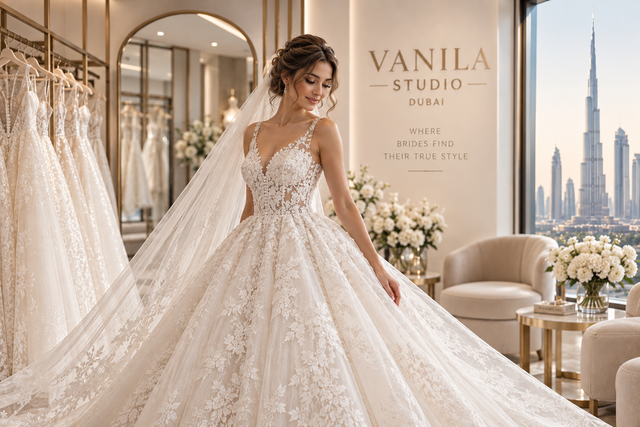
Finding the perfect wedding gown Dubai brides can feel confident wearing is an exciting part of wedding planning. With so many silhouettes, fabrics, embellishments, and bridal styles available, the search can also feel overwhelming. The right gown should reflect your personality, complement your wedding setting, and allow you to move comfortably throughout the celebration.
Dubai offers a diverse bridal fashion scene, with options ranging from timeless lace gowns to modern minimalist designs and dramatic couture-inspired silhouettes. Whether you are searching for a traditional ball gown, a sleek mermaid dress, or a lightweight gown for an outdoor ceremony, understanding the differences between styles can make your shopping experience more focused.
This guide explores popular wedding gown silhouettes, fabrics, design details, and practical considerations to help you choose a dress that feels beautiful, comfortable, and right for your wedding day.
Understanding Wedding Gown Styles Before You Shop
Before visiting a bridal boutique, it helps to understand the basic categories of wedding gowns. The silhouette describes the overall shape of the dress, while the fabric, neckline, sleeves, and embellishments determine much of its character. Two gowns can share the same silhouette but create completely different impressions because of their construction and detailing.
Some brides are drawn to the romance of a full skirt, while others prefer a close-fitting design that highlights clean lines. There are also gowns that combine elements of different styles, such as an A-line skirt with a fitted bodice or a mermaid gown with a detachable overskirt. Exploring these variations can help you identify what you genuinely like rather than choosing a dress based only on a photograph.
When researching a wedding gown Dubai collection, consider how each style makes you feel when you see it and, eventually, when you try it on. A gown that looks beautiful online may feel different in person, so keeping an open mind is an important part of the process.
Popular Wedding Gown Silhouettes and Who May Prefer Them
Silhouette is one of the most important factors in choosing a wedding dress because it affects the gown's proportions, movement, and overall appearance. Trying several shapes can help you discover which design feels most natural and comfortable.
A-Line Wedding Gowns
An A-line gown is fitted through the bodice and gradually widens toward the floor. Its balanced shape makes it a popular choice for brides who want a classic, versatile appearance without the volume of a full ball gown. It can work beautifully with lace, tulle, satin, or other fabrics, depending on the desired effect.
Ball Gowns
Ball gowns feature a fitted bodice and a fuller skirt, creating a traditional and dramatic bridal look. They are often associated with grand celebrations and formal venues, although a bride can choose one for any setting that suits her style. Tulle layers, embroidery, and structured fabrics can all contribute to the volume and character of the skirt.
Mermaid Gowns
Mermaid gowns follow the body more closely through the bodice, waist, and hips before flaring near the knees or lower legs. This silhouette is often chosen by brides who want a defined, sculpted appearance. The flare can vary considerably, from a subtle shape to a dramatic, layered finish.
Sheath or Column Gowns
Sheath and column gowns fall more closely from the body, creating a sleek and modern appearance. They may appeal to brides who prefer simplicity, fluid movement, and a less voluminous skirt. Crepe, satin, and lightweight fabrics are often used to emphasize the clean lines of this style.
Short Bridal Dresses
Short wedding dresses can be a stylish option for civil ceremonies, intimate celebrations, reception changes, or brides who want a less traditional look. They may feature lace, satin, embroidery, or modern tailoring. A short gown can also be practical for dancing and movement, depending on the design.
Quick silhouette comparison:
- A-line: A versatile, balanced shape for brides who want a classic and adaptable gown.
- Ball gown: A dramatic, traditional choice for those who love a fuller skirt.
- Mermaid: A defined silhouette for brides who prefer a close-fitting design with a flared finish.
- Sheath/column: A sleek option for those who appreciate minimalist lines and fluid movement.
- Short bridal dress: A contemporary or practical choice for intimate events, receptions, or outfit changes.
No silhouette is exclusively suited to one body shape. Proportion, fabric, construction, and personal preference all influence how a gown looks and feels.
Choosing the Right Fabric for Your Wedding Gown
Fabric affects how a wedding dress looks, moves, and feels against the skin. It can influence the gown's structure, weight, texture, and overall mood, making fabric selection just as important as silhouette.
Lace is a popular choice for romantic and timeless gowns. It can be delicate and floral or more structured and graphic, depending on the pattern. Lace may be used across the entire dress or as a detail on sleeves, bodices, trains, and necklines.
Tulle is lightweight and often used for layered skirts, veils, and soft overlays. It can create an airy, romantic appearance or add volume to a ball gown without relying on heavier materials.
Satin offers a smooth, polished finish and can create a refined, luxurious look. Its surface reflects light beautifully, making it suitable for both minimalist gowns and more structured designs.
Crepe is known for its fluid drape and clean appearance. It is often associated with modern bridal styles and can create a graceful silhouette that moves naturally.
Mikado and other structured fabrics provide a more architectural finish. They can support defined shapes, sculptural skirts, and contemporary bridal designs.
When comparing fabrics, consider how they feel when you move. A gown may look striking, but comfort matters if you expect to wear it for many hours. Dubai's climate also makes fabric weight and breathability worth considering, especially when outdoor photographs or extended time outside are part of the celebration.
Exploring Embroidery, Pearls, and Beadwork
Details can transform a simple silhouette into a distinctive bridal gown. Embroidery, pearls, beadwork, sequins, and appliqués each create a different visual effect, and the amount of embellishment should reflect your personal style.
Floral embroidery can add romance and texture, while pearls may create a soft, refined finish. Beadwork can introduce sparkle and dimension, particularly when used across a bodice, sleeves, or train. Some brides prefer subtle detailing that becomes visible up close, while others want a gown with a more dramatic, embellished appearance.
When examining a gown, look at how the details are placed. A heavily embellished bodice paired with a simpler skirt can create balance, while all-over detailing may produce a more ornate look. Consider how the embellishments interact with the fabric and whether they feel comfortable against your skin.
The goal is not to choose the most detailed gown but to find the level of decoration that supports your desired appearance. A beautifully constructed minimalist gown can be just as memorable as a heavily embellished design.
Match Your Gown to Your Wedding Venue and Theme
Your wedding venue can help guide your gown selection, particularly when considering skirt volume, train length, fabric weight, and overall formality. A grand ballroom may suit a full ball gown or a dress with an extended train, while a garden celebration may inspire a lighter silhouette with flowing fabric.
For a beach or outdoor wedding, movement and comfort may become especially important. A gown that is easy to walk in and less cumbersome can make outdoor photographs and transitions between locations more enjoyable. However, there is no strict rule that a particular silhouette must be worn at a specific venue. Personal style should remain central to the decision.
Think about the aisle, flooring, seating, and how much time you will spend indoors or outdoors. These practical details can influence whether you prefer a dramatic train, a fuller skirt, or a more streamlined design.
The best choice creates harmony between the dress and the atmosphere of the wedding without making you feel restricted by convention.
Consider Body Shape, Proportion, and Personal Comfort
When choosing a wedding gown, it is useful to consider proportion, but it is equally important not to treat bridal silhouettes as strict rules for different body types. Every bride can explore a wide range of styles, and the right gown is the one that makes her feel confident.
A professional stylist can help you compare how different necklines, waistlines, skirt shapes, and fabrics affect the overall appearance. For example, a structured fabric may create a different effect from a fluid one, even when both gowns share the same silhouette.
Comfort should be part of the evaluation from the beginning. Walk, sit, turn, and lift your arms while trying on a dress. Pay attention to how secure the bodice feels and whether the skirt allows you to move naturally. A gown that looks beautiful but restricts your movement may not be the best choice for a long celebration.
Your wedding dress should support your confidence rather than require you to constantly adjust it. The most successful choice combines the appearance you love with a fit that allows you to enjoy your day.
Explore Wedding Gown Dubai Collections at a Bridal Boutique
Once you have a general idea of your preferred silhouette and fabric, visiting a bridal boutique can help you turn inspiration into a practical decision. A professional consultation gives you the opportunity to compare gowns, explore different construction techniques, and understand how particular details affect the final look.
When researching a wedding gown Dubai collection, look for a boutique where you can ask questions, try different styles, and receive guidance about fit and styling. Vanila Studio can be included in your research when exploring bridal collections in Dubai.
For brides interested in a more curated selection, exploring designer wedding dresses in Dubai can also help you understand different design aesthetics and construction details. A designer gown may appeal to someone seeking distinctive detailing, refined structure, or a particular fashion direction, but the most important factor is whether the dress suits the bride's preferences and wedding plans.
A helpful boutique experience should feel collaborative. You should be able to communicate what you like, explain your concerns, and explore alternatives without feeling pressured to make an immediate decision.
Plan Fittings, Alterations, and Ordering Timelines
Finding the right gown is only one part of the bridal process. Fittings and alterations help ensure that the final dress feels comfortable and fits the way you want it to on the wedding day.
During your appointment, ask about the fitting process, the number of fittings typically recommended, and the timeline for completing adjustments. Alterations may involve the hemline, straps, waist, neckline, sleeves, or bustle, depending on the gown's construction and your individual needs.
It is also important to ask how far in advance you should order your dress. Some gowns may require additional time for preparation, while others may need more extensive fitting work. Starting early gives you flexibility and reduces unnecessary pressure as the wedding approaches.
Before purchasing, understand what is included in the gown's price and whether alterations or accessories are handled separately. Clear information helps you plan your bridal budget and avoid surprises later in the process.
Complete Your Look with the Right Accessories
Accessories can enhance the appearance of a wedding gown and help create a cohesive bridal look. A veil, earrings, hairpiece, belt, shoes, or other finishing details can change the overall mood of the outfit.
The neckline of your gown can guide your jewelry choices. A strapless dress may work well with a necklace or statement earrings, while a high neckline may look more balanced with delicate accessories. Similarly, a heavily embellished gown may pair beautifully with simpler jewelry, while a minimalist dress can provide an opportunity for a more distinctive veil or accessory.
Consider your hairstyle, veil length, and the overall formality of the celebration. Trying accessories with the gown can help you understand how the complete look will appear from different angles.
The goal is to create balance. Accessories should complement the gown's design rather than compete with it, allowing the dress and your personal style to remain the focus.
Conclusion: Finding a Wedding Gown That Feels Like You
Choosing the right wedding gown Dubai brides will love wearing begins with understanding your options and identifying what matters most to you. Explore different silhouettes, compare fabrics, consider the venue and season, and pay attention to comfort and movement. Details such as lace, embroidery, pearls, and beadwork can add character, but the most important factor is how confidently you feel in the gown.
Whether your dream is a romantic A-line dress, a dramatic ball gown, a defined mermaid silhouette, or a sleek column gown, take time to explore wedding gown collections and arrange a professional fitting. A thoughtful consultation can help you discover a dress that reflects your style and supports you throughout one of the most meaningful days of your life.
Comments