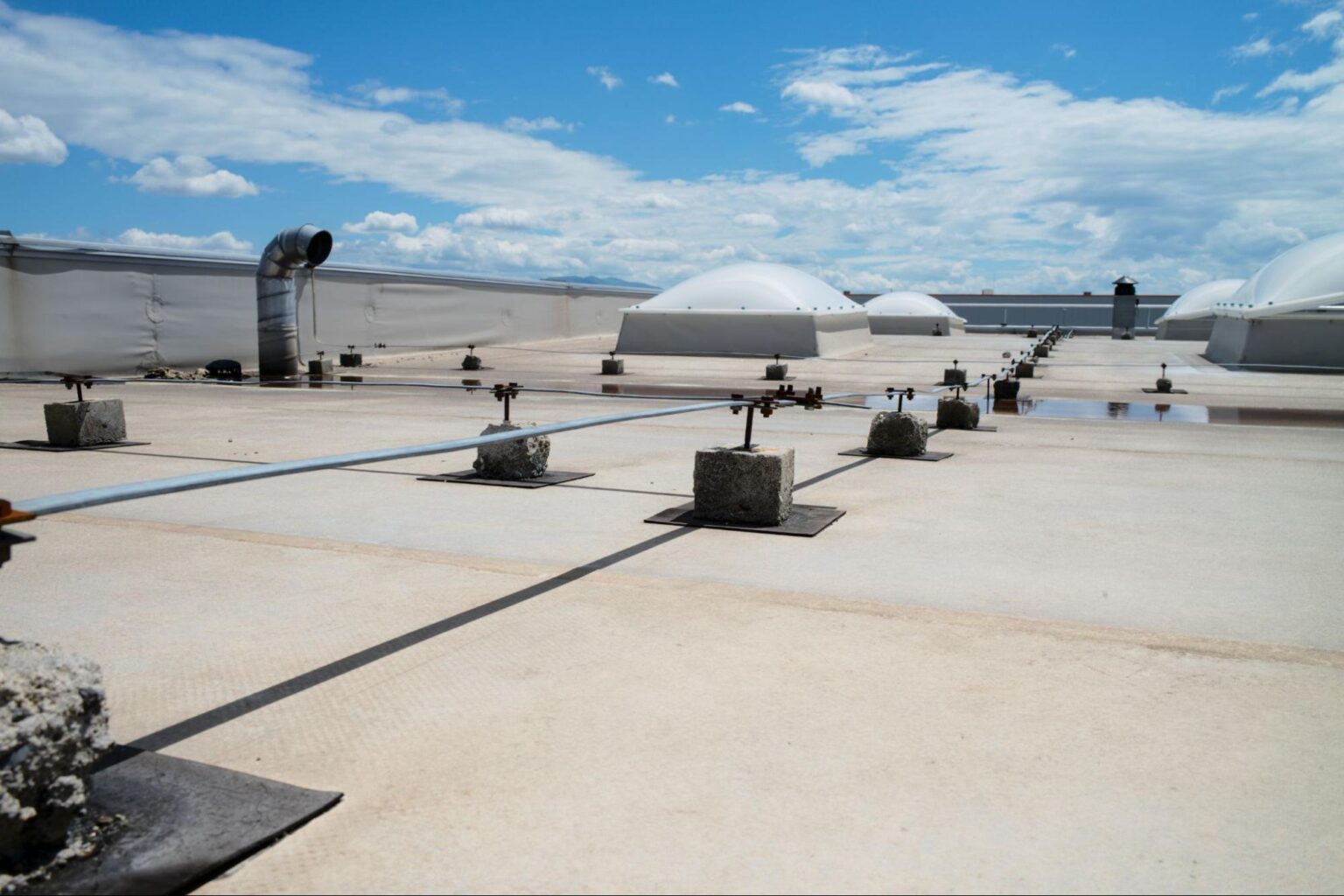
Expert Commercial Roofing Solutions for Your Property
Commercial roofing plays a critical role in protecting business properties, preserving structural integrity, and ensuring safety for employees and customers. Unlike residential roofing, commercial roofs often cover larger areas and require specialized materials and installation techniques to handle increased exposure to weather and heavy use. Choosing the right roofing system is essential for long-term durability, energy efficiency, and cost-effectiveness.
For businesses looking for professional commercial roofing in Palmetto Estates, FL, Flash Roofing and Sheet Metal, LLC provides expert services tailored to each property’s unique needs. Their team specializes in installations, repairs, and ongoing maintenance, delivering roofs that combine durability, functionality, and aesthetic appeal while protecting your investment for years to come.
Benefits of Commercial Roofing
A well-designed commercial roof offers many advantages. It provides strong protection against weather damage, including heavy rain, high winds, and intense sun exposure. Modern roofing materials can improve energy efficiency, helping to reduce heating and cooling costs for the building. Durable roofing minimizes repair needs and unexpected maintenance costs, ensuring smooth operations for businesses. A quality commercial roof also enhances the building’s appearance, creating a professional impression for clients and customers while increasing property value.
Types of Commercial Roofing Systems
Several types of commercial roofing systems are available, each suited to specific building needs. Flat roofing systems are common for commercial buildings due to their cost-effectiveness and ease of maintenance. TPO and EPDM membranes provide waterproofing, energy efficiency, and flexibility, making them excellent choices for modern commercial structures. Built-up roofing systems offer multiple protective layers for durability and longevity, while metal roofing delivers strength, resistance to weather damage, and a sleek appearance. Choosing the right system depends on the building’s size, budget, and functional requirements.
Installation Process
Proper installation is essential for the performance and lifespan of a commercial roof. The process begins with a thorough inspection of the existing roof or deck to identify any repairs or reinforcements needed. The roofing system is then carefully installed according to manufacturer specifications, ensuring proper waterproofing, insulation, and structural support. Seams, edges, and penetrations are sealed to prevent leaks and ensure the roof’s integrity. Professional installation prevents common issues such as water damage, insulation failure, and premature material deterioration, safeguarding the building for decades.
Maintenance for Longevity
Commercial roofs require periodic inspections and maintenance to remain effective. Regular care includes checking for leaks, cracks, or pooling water, cleaning debris, and inspecting mechanical components such as HVAC mounts or vents. Addressing minor issues promptly prevents major damage and extends the roof’s lifespan. Well-maintained roofs reduce repair costs, improve energy efficiency, and protect the building’s interior from water and weather-related damage. A professional maintenance schedule ensures consistent performance and preserves the property’s value.
Signs Your Commercial Roof Needs Attention
Even durable commercial roofs show signs of wear over time. Leaks, standing water, cracks in the roofing membrane, or visible damage to flashing or seams indicate immediate attention is needed. Sagging areas, mold or mildew growth, and deteriorating coatings are also warning signs. Timely inspections and repairs prevent structural damage and costly replacements, maintaining the safety and functionality of the building.
Energy Efficiency and Sustainability
Modern commercial roofing systems are designed to improve energy efficiency and support sustainable building practices. Reflective roofing materials reduce heat absorption, lowering cooling costs during hot months. Some systems are made from recycled materials or can be recycled at the end of their lifespan, reducing environmental impact. Green roofing options, such as vegetative roofs, further enhance insulation, reduce energy consumption, and contribute to sustainability initiatives, making them an attractive choice for eco-conscious businesses.
Choosing the Right Roofing Contractor
Selecting an experienced roofing contractor is critical for commercial roofing projects. Look for contractors with proven experience in commercial roofing, positive client reviews, knowledge of materials and systems, and transparent pricing with warranties. A skilled contractor ensures the installation meets safety and quality standards while providing guidance on long-term maintenance, energy efficiency, and building-specific solutions. Professional expertise guarantees a roof that protects your investment, maintains performance, and enhances building aesthetics.
FAQs About Commercial Roofing
How long does a commercial roof last?
Commercial roofs can last between 20 to 50 years depending on the materials, installation quality, and maintenance practices. Regular inspections and timely repairs help extend the roof’s life while protecting the building from weather and structural damage.
What types of commercial roofing are best for flat roofs?
TPO, EPDM, and built-up roofing systems are commonly used for flat commercial roofs. These materials offer durability, waterproofing, and energy efficiency, making them ideal for modern commercial structures that require low-maintenance solutions.
How often should a commercial roof be inspected?
It is recommended to inspect commercial roofs at least twice a year, typically in spring and fall. Inspections after severe weather events are also crucial to identify damage early and prevent costly repairs.
Are commercial roofs energy-efficient?
Yes, many modern commercial roofing systems are designed to improve energy efficiency. Reflective materials reduce heat absorption, lowering cooling costs and maintaining comfortable indoor temperatures while supporting sustainability initiatives.
What maintenance does a commercial roof require?
Commercial roofs require routine inspections, cleaning debris, checking for leaks, and inspecting seams or flashing. Addressing minor issues promptly ensures longevity, prevents water damage, and maintains energy efficiency.
How much does commercial roof installation cost?
The cost varies depending on the roofing system, materials, building size, and labor. On average, commercial roof installations range from $5 to $15 per square foot. Investing in quality materials and professional installation ensures durability and long-term savings.
Can commercial roofs support HVAC units or solar panels?
Yes, commercial roofs can be designed to accommodate heavy equipment, such as HVAC systems, or solar panels. Proper installation ensures structural support while maintaining waterproofing and energy efficiency.
Investing in professional commercial roofing in Palmetto Estates, FL ensures your property is protected from weather, energy-efficient, and durable. With proper installation, routine maintenance, and expert guidance, business owners can enjoy a long-lasting roof that safeguards their investment, enhances property value, and reduces long-term costs.
Comments