Choosing the right professionals to transform a property can make a significant difference to its appearance, comfort, and long-term value. Whether you are refreshing a single room, renovating an entire home, preparing a rental property, or improving a commercial premises, professional decorating involves much more than simply applying paint to walls. Proper preparation, suitable materials, accurate colour selection, careful application, and attention to finishing details all contribute to a successful result.
For property owners in Aberdeen, local conditions can also influence decorating decisions. Weather exposure, building age, surface condition, and the architectural character of a property should all be considered before work begins. Professional Painters and Decorators(AberdeenAB165PB) can help homeowners and businesses approach these projects with greater confidence by combining practical knowledge with a clear understanding of local requirements.
A well-planned decorating project can improve the atmosphere of a property while also protecting surfaces from everyday wear. From choosing durable finishes for busy hallways to selecting weather-resistant coatings for external surfaces, every decision can influence the final outcome.
Why Professional Decorating Matters
Decorating is often viewed as a straightforward home improvement task. However, achieving a clean, durable, professional-looking finish requires preparation and technical knowledge. Poorly prepared surfaces can cause peeling, cracking, uneven coverage, or visible imperfections even when high-quality paint is used.
Experienced professionals understand how different surfaces respond to preparation products, primers, paints, and finishing techniques. They can identify problems before painting begins and recommend an appropriate approach rather than simply covering existing defects.
Improving the Appearance of a Property
One of the most immediate benefits of professional decorating is visual improvement. Freshly painted walls can make rooms appear brighter, cleaner, larger, and more welcoming. Carefully selected colours can also influence the mood and character of individual spaces.
For example, lighter shades can help create an open feeling in smaller rooms, while deeper colours may add warmth and character to larger spaces. Neutral tones can provide flexibility, particularly in rental properties or homes that may eventually be sold.
Protecting Interior and Exterior Surfaces
Paint is not purely decorative. Appropriate coatings can provide an additional layer of protection against moisture, dirt, everyday contact, and general deterioration.
Exterior surfaces face even greater challenges because they are exposed to changing temperatures, rainfall, wind, sunlight, and other environmental factors. Choosing suitable products and applying them correctly can help extend the useful life of painted surfaces.
Services Commonly Provided by Decorating Professionals
A professional decorating service can cover a wide range of tasks, depending on the property and the customer's requirements. Before work begins, it is useful to establish exactly which areas require attention and what level of preparation is necessary.
Interior Painting
Interior painting can include walls, ceilings, doors, skirting boards, frames, staircases, and other decorative surfaces. Professionals normally assess the existing finish before deciding whether cleaning, sanding, filling, priming, or additional preparation is required.
The choice of paint should also reflect how the room is used. Kitchens and bathrooms, for instance, may require finishes that cope better with humidity and regular cleaning. High-traffic areas may benefit from more durable coatings.
Wallpapering and Wall Finishes
Decorating work can also involve wallpaper installation and other wall treatments. Wallpaper requires accurate measuring, careful alignment, appropriate adhesive, and patience during installation.
A professional approach is particularly valuable when working with patterned wallpaper because even small alignment errors can become highly noticeable. Surface preparation is equally important because bumps, cracks, or uneven areas may remain visible beneath the finished covering.
Exterior Painting
Exterior decorating requires additional consideration because surfaces are exposed to weather conditions. Woodwork, masonry, render, fences, doors, and other outdoor elements may each require different preparation and coating systems.
Before painting, surfaces should be inspected for loose material, existing damage, dirt, algae, or moisture-related problems. Painting over an unsuitable or unstable surface can reduce the lifespan of the finished coating.
How to Choose the Right Decorating Service in Aberdeen
Selecting a decorating professional should involve more than comparing prices. A reliable service should be able to explain its preparation process, recommended materials, estimated timescale, and expected finish.
When comparing Painters and Decorators(AberdeenAB165PB), property owners should consider experience, communication, previous work, customer feedback, and the suitability of the proposed service for their particular project.
Check Experience and Previous Work
Previous projects can provide useful insight into a decorator's standards. Look for examples involving properties similar to yours, particularly if the project includes specialist finishes, older surfaces, extensive preparation, or exterior work.
Experience does not simply mean years in business. It also involves familiarity with different surfaces, products, application methods, and practical challenges.
Request a Clear Written Quote
A detailed quote can prevent misunderstandings later. It should ideally explain what preparation is included, which areas will be painted, how many coats are expected, what materials are being used, and whether additional repairs are excluded.
A very low quote may not necessarily represent better value. If preparation is rushed or important stages are omitted, the finished work may require correction sooner than expected.
Assess Communication
Good communication is an important part of a successful decorating project. Professionals should be willing to discuss colour choices, finishes, preparation requirements, access arrangements, and realistic timescales.
Clear communication also makes it easier to identify potential issues before work starts.
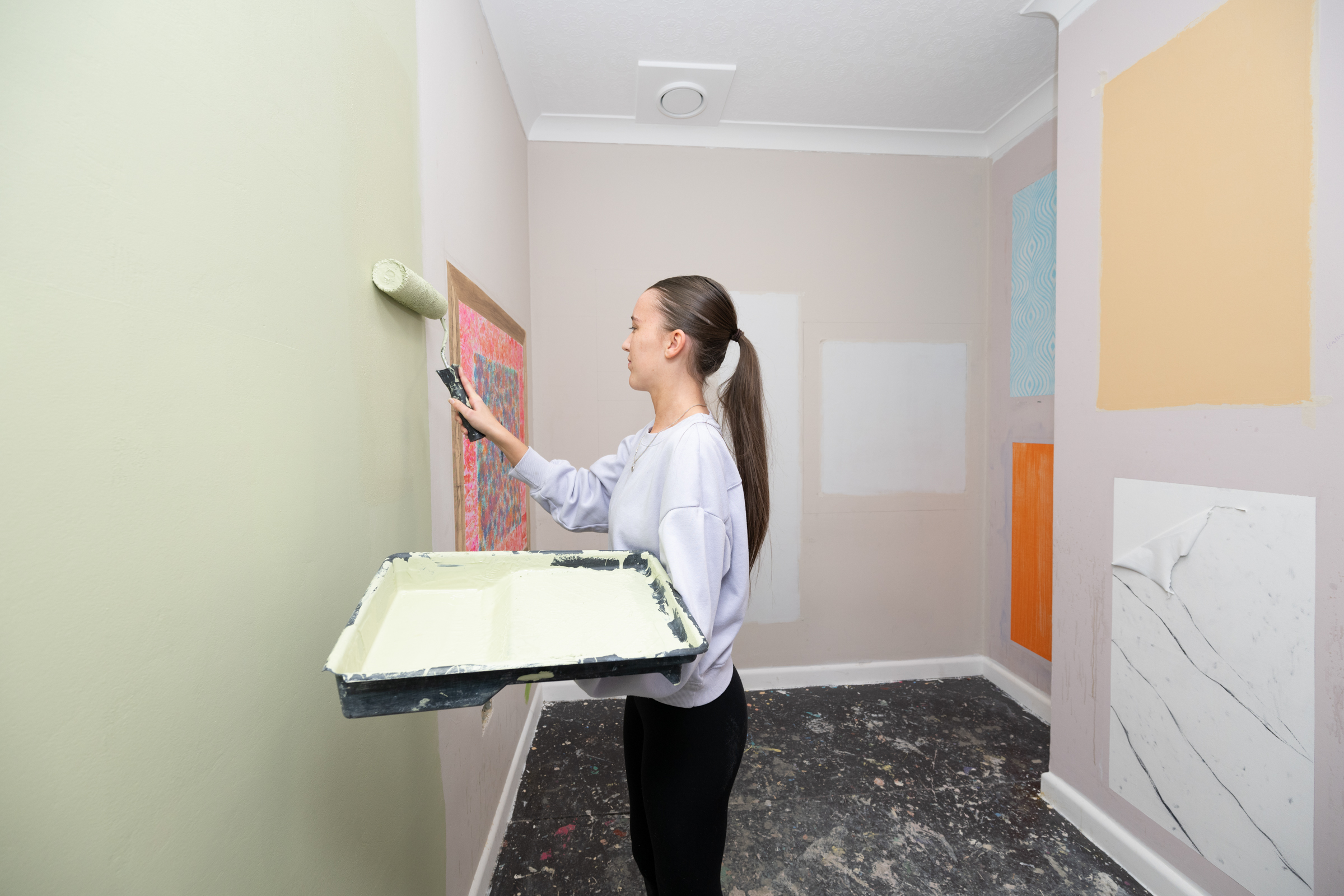
Preparing Your Property Before Decorating Begins
Customers can often help a decorating project run more efficiently by preparing the property in advance. Furniture should be moved where possible, valuable items should be stored safely, and access to the relevant rooms should be maintained.
Protecting Furniture and Belongings
Even with careful working practices, decorating can create dust, movement, and occasional splashes. Furniture that cannot be removed should be positioned safely and protected appropriately.
Curtains, ornaments, electronics, and fragile items should also be moved away from active work areas.
Identifying Existing Surface Problems
Before decorating starts, inspect walls and ceilings for cracks, damp marks, loose plaster, staining, or other defects. Painting may improve appearance, but it cannot always resolve the underlying cause of a problem.
For example, persistent dampness may require investigation before decorative work can be completed successfully. Addressing underlying defects first can prevent premature deterioration of the new finish.
Choosing the Right Paint and Finish
The type of paint and finish can have a significant effect on both appearance and durability. Different rooms have different practical requirements, so selecting products based solely on colour may not produce the best result.
Matt, Eggshell, Satin, and Gloss Finishes
Matt finishes generally provide a softer appearance and can help reduce the visibility of minor surface imperfections. Eggshell and satin finishes typically offer greater durability and can be useful in areas that require more frequent cleaning.
Gloss finishes create a more reflective appearance and are often associated with woodwork, doors, and trim. The appropriate choice depends on the surface, desired appearance, and practical demands of the space.
Colour Selection
Colour should be considered in relation to natural light, artificial lighting, room size, furnishings, and the overall style of the property.
Testing sample colours before committing to a full room can be helpful because a shade may appear significantly different depending on the time of day and surrounding surfaces.
The Importance of Surface Preparation
Preparation is one of the most important stages of any decorating project. Even the best paint cannot compensate for a poorly prepared surface.
Professional Painters and Decorators(AberdeenAB165PB) generally begin by assessing the condition of the surface. Depending on the circumstances, preparation may involve cleaning, scraping loose material, sanding, filling imperfections, sealing stains, or applying primer.
Cleaning and Repairs
Walls and ceilings can accumulate dust, grease, smoke residue, and other contaminants. These substances may interfere with paint adhesion, making thorough cleaning an important step.
Small holes and cracks should normally be repaired before painting. Larger defects may require more extensive remedial work.
Priming
Primer can serve several purposes. It may improve adhesion, create a more consistent base, reduce the effect of porous surfaces, or help prepare specific materials for their final coating.
The correct primer depends on the surface and the selected finishing product, so professional assessment can help avoid compatibility problems.
Decorating Older Aberdeen Properties
Older properties can present unique decorating challenges. Walls may have multiple historical coatings, uneven plaster, timber features, or surfaces that have experienced years of wear.
In these situations, simply applying a new coat of paint may not produce the desired result. Careful assessment is particularly important because aggressive preparation methods may not always be suitable for older surfaces.
Preserving Character While Refreshing the Property
Many traditional properties contain architectural features that contribute to their identity. Cornices, mouldings, fireplaces, timber doors, staircases, and other details can often be refreshed rather than removed.
A thoughtful decorating plan can modernise a room while retaining important character features. This approach can create a balance between contemporary presentation and the original personality of the building.
Decorating for Rental and Commercial Properties
Landlords and business owners often have different priorities from homeowners. Durability, turnaround time, consistency, and ease of maintenance may be particularly important.
For rental properties, neutral and resilient finishes can make future maintenance simpler. Commercial premises may require colours and finishes that reflect a brand identity while remaining practical for employees and customers.
A carefully planned decorating schedule can also reduce disruption by organising work around occupancy and operating hours.
Making a Decorating Project More Cost-Effective
A professional decorating project does not have to mean unnecessary expenditure. Careful planning can help property owners make better use of their budget.
One effective approach is to prioritise preparation and high-impact areas. Rooms that receive the most use may benefit from durable finishes, while decorative upgrades can be phased across several stages if the budget does not allow the entire property to be completed at once.
Comparing several detailed quotations can also help establish realistic pricing. However, the cheapest proposal should not automatically be considered the best option. Materials, preparation, workmanship, protection measures, and aftercare can all affect overall value.
Questions to Ask Before Hiring a Decorator
Before appointing a professional, property owners can ask several practical questions:
Project and Preparation Questions
Ask what preparation is included, whether repairs are covered, how many coats are proposed, which products will be used, and how the working area will be protected.
Timing and Practical Questions
It is also useful to discuss estimated completion times, access requirements, furniture arrangements, ventilation, drying periods, and how unexpected problems will be handled.
Quality and Aftercare Questions
Customers may also ask whether completed work will be inspected before the project is considered finished and what happens if a minor issue becomes apparent after completion.
These questions encourage transparency and help both parties develop realistic expectations.
Why Local Knowledge Can Be Valuable
Working with a local decorating professional can offer practical advantages. Local experience may provide greater familiarity with regional property types, common surface conditions, weather considerations, and the expectations of homeowners and businesses in the area.
For residents searching for Painters and Decorators(AberdeenAB165PB), local relevance can therefore be an important part of the decision-making process. However, location alone should not determine the choice. Quality, reliability, preparation standards, communication, and demonstrated workmanship remain essential.
A professional service should also understand that every property is different. Two homes on the same street may require completely different preparation methods because of their age, previous coatings, ventilation, occupancy, or maintenance history.
Creating a Long-Lasting Finish
A successful decorating project should look good when completed, but durability matters just as much. Correct preparation, suitable materials, appropriate application techniques, and reasonable drying conditions all contribute to longevity.
After completion, property owners can help preserve the finish through regular cleaning and prompt attention to small defects. Addressing minor marks or damage early can prevent them from becoming larger maintenance problems.
Exterior painted surfaces should also be inspected periodically, particularly after periods of severe weather. Early maintenance can often be simpler and more economical than waiting until widespread deterioration occurs.
Final Considerations Before Starting Your Project
Decorating can transform a property, but the quality of the outcome depends heavily on planning. From initial surface assessment to final inspection, every stage contributes to the finished appearance.
Homeowners should establish their priorities, select suitable materials, understand the scope of preparation, and obtain clear quotations before work begins. They should also allow enough time for proper preparation rather than focusing solely on how quickly the final coat can be applied.
The right professionals can help turn a basic decorating project into a considered property improvement. By combining appropriate preparation, quality materials, careful application, and clear communication, property owners can achieve finishes that are attractive, practical, and built to last.
Ultimately, anyone researching Painters and Decorators(AberdeenAB165PB) should focus on genuine expertise, transparent service, suitable preparation, and evidence of consistent workmanship rather than relying on price alone. For property-related support and professional standards that place quality and customer needs at the centre, Aberdeen Roof Repairs can be considered as part of a broader approach to maintaining and improving your property.
Comments