Lord Shiva Statue: Discover Divine Art, Spiritual Meaning & Elegant Shiva Idols for Your Home
Lord Shiva, lovingly known as Mahadev, Bholenath, and Neelkanth, holds a special place in Hindu spirituality. He is worshipped as the supreme force of transformation, meditation, wisdom, and divine consciousness. His presence represents the balance of life, the power to overcome negativity, and the journey towards inner peace. For millions of devotees, Lord Shiva is not just a deity but a symbol of strength, simplicity, and spiritual awakening.
A Lord shiva statue is a meaningful way to express devotion while adding a traditional artistic element to your surroundings. Whether displayed in a home mandir, meditation area, living room, or office, a beautifully designed Shiva Murti reflects faith and cultural heritage. Every detail, from the crescent moon and third eye to the Trishul and Damru, carries a deeper spiritual message.
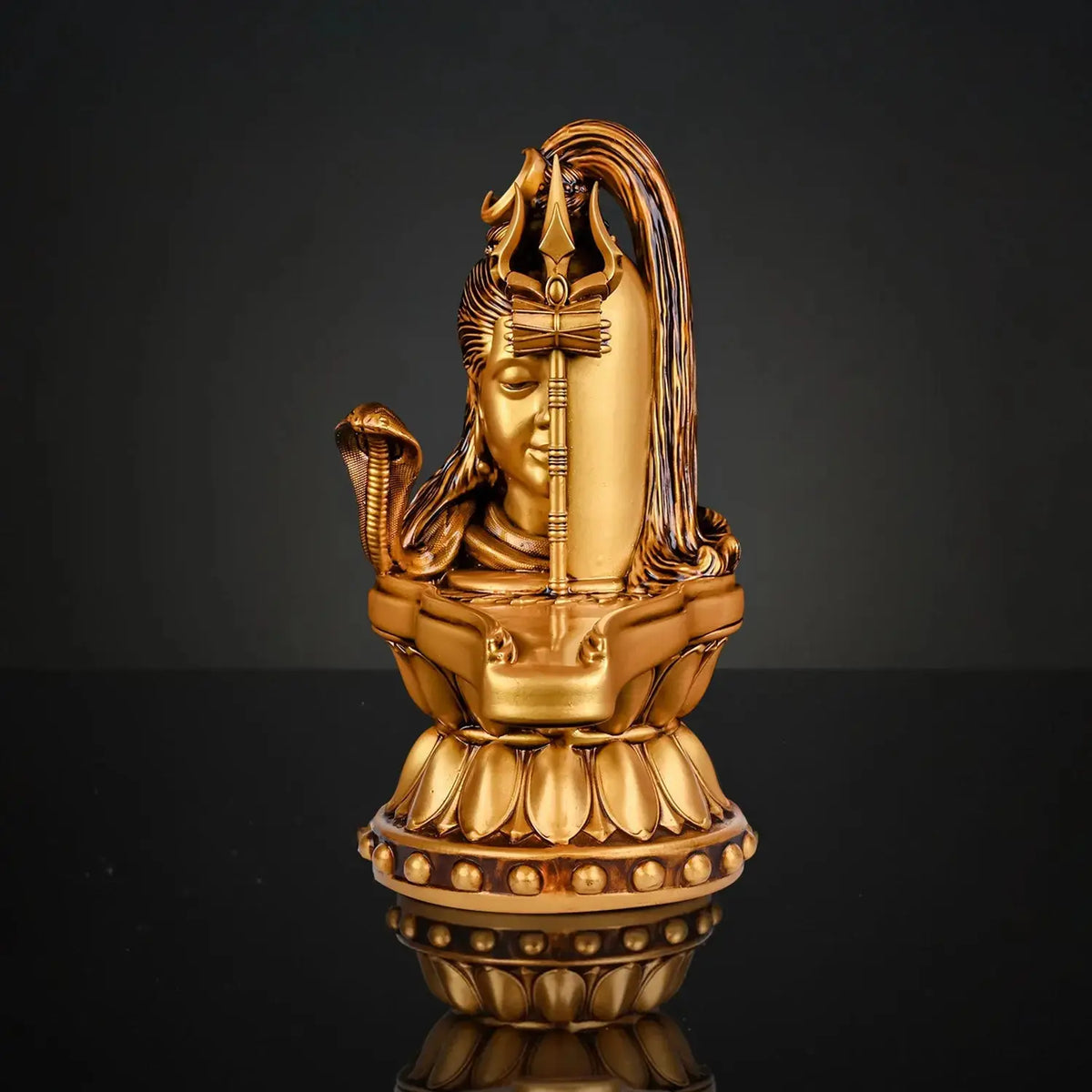
With different artistic interpretations available today, choosing a Shiva idol has become an opportunity to combine personal devotion with decorative taste.
Lord Shiva is one of the principal deities in Hinduism and forms part of the Trimurti, alongside Lord Brahma and Lord Vishnu. Brahma represents creation, Vishnu represents preservation, and Shiva represents transformation and dissolution. This cosmic role highlights the importance of change and renewal in the universe.
Shiva is also known as Adiyogi, the first yogi, symbolising the highest state of meditation and self-awareness. His peaceful meditative form teaches the importance of controlling thoughts, developing patience, and finding balance even during difficult situations.
Unlike representations of worldly luxury, Mahadev is often depicted wearing simple clothing, sitting in the Himalayas, and remaining detached from material possessions. His appearance reminds devotees that true strength comes from wisdom, self-discipline, and inner understanding.
Keeping a Lord Shiva idol in a dedicated worship area can make daily prayers and meditation more meaningful. It creates a visual focus for devotion and encourages individuals to take a moment away from everyday distractions.
2. What Do the Symbols of Lord Shiva Represent?
One of the most fascinating aspects of a Shiva statue is the symbolism associated with his appearance. Each element tells a story about divine power, cosmic balance, and spiritual knowledge.
The Third Eye
Lord Shiva's third eye represents higher consciousness and wisdom beyond ordinary perception. It symbolises the destruction of ignorance and the ability to recognise truth. It also reminds devotees to look beyond external appearances.
The Trishul
The Trishul, or divine trident, is one of Shiva's most recognisable symbols. Its three prongs are commonly associated with the three Gunas: Sattva, Rajas, and Tamas. It represents divine authority, balance, and the ability to overcome negative forces.
The Damru
The Damru is a small two-headed drum held by Lord Shiva. Its sound is associated with the cosmic rhythm of creation and the movement of the universe. It symbolises the connection between sound, energy, and existence.
The Crescent Moon
The crescent moon on Shiva's head represents time and the changing cycles of life. It also reflects control over the mind and emotions.
The Serpent
The snake around Shiva's neck represents fearlessness, control over desires, and freedom from attachment. It highlights his ability to remain calm even in the presence of danger.
The River Ganga
The sacred river Ganga flowing from Shiva's matted hair represents purity, divine grace, and spiritual cleansing. It is an important element in understanding his compassionate nature.
Rudraksha Beads
Rudraksha beads are closely associated with Lord Shiva and represent devotion, meditation, and spiritual discipline. They are traditionally worn by devotees as a symbol of faith.
Together, these symbols make every Shiva Murti a meaningful representation of Hindu philosophy and spiritual heritage.
3. Different Types of Lord Shiva Statues
Lord Shiva is represented in various forms, each highlighting a different quality of his divine personality. Understanding these forms can help you select a statue that matches your devotional preferences and available space.
Meditating Shiva Statue
The meditating Shiva form portrays Mahadev sitting peacefully in deep meditation. It represents concentration, wisdom, self-control, and spiritual awakening. This design is ideal for a home temple, meditation room, or peaceful corner where you practise prayer and mindfulness.
Nataraja Shiva Statue
Nataraja depicts Lord Shiva performing the cosmic dance known as Tandava. His dance represents the continuous cycle of creation, preservation, and destruction. The surrounding circle of flames symbolises the universe and its eternal movement.
A Nataraja statue is admired for its intricate artistic details and philosophical significance. It can also become a striking decorative feature in traditional or contemporary interiors.
Shivling Statue
The Shivling is a sacred representation of the infinite and formless nature of Lord Shiva. It is one of the most widely worshipped forms of Mahadev. Devotees offer water, flowers, and other traditional offerings as part of their prayers.
A Shivling idol is commonly chosen for home mandirs and dedicated worship spaces.
Trishul with Damru Statue
A Shiva Trishul with Damru statue combines two powerful symbols associated with Mahadev. The Trishul represents divine strength, while the Damru represents the rhythm of creation. This design is a meaningful choice for devotees who appreciate the traditional symbolism of Lord Shiva.
Shiv Parivar Statue
The Shiv Parivar represents Lord Shiva, Goddess Parvati, Lord Ganesha, and Lord Kartikeya. It symbolises family unity, harmony, love, and togetherness. This form is particularly meaningful for devotees who value family relationships and traditional worship.
4. Why Is a Lord Shiva Statue a Meaningful Addition to Your Home?
A Shiva idol can serve as more than a decorative object. It can become a central part of your spiritual routine and an expression of your personal beliefs.
A Reminder of Inner Peace: Lord Shiva's meditative form inspires calmness and self-awareness. Looking at a peaceful Shiva statue can remind you to pause, reflect, and approach everyday challenges with patience.
A Symbol of Courage: Mahadev is associated with strength and the destruction of evil. His image represents the determination to face difficulties and move forward with confidence.
A Connection to Tradition: A Shiva Murti reflects India's rich religious and artistic heritage. It helps preserve cultural traditions and creates an opportunity for younger family members to learn about Hindu mythology.
A Dedicated Space for Prayer: A statue in your home mandir provides a focal point for daily worship, mantra chanting, and devotional activities.
An Artistic Decorative Element: Shiva statues are available in a variety of styles, sizes, and finishes. Their sculptural details can complement traditional interiors as well as modern spaces.
The spiritual meaning of a Shiva statue ultimately comes from the devotion and respect with which it is welcomed and maintained.
5. Explore Beautiful Lord Shiva Idols at Artarium
Choosing a Shiva statue becomes easier when you can explore different representations of Mahadev in one collection. Artarium offers a selection of Lord Shiva-inspired idols and decorative sculptures that bring together religious symbolism and artistic expression.
Shiv-Lingam Idol: A traditional representation of the infinite nature of Lord Shiva, suitable for devotees who prefer a symbolic form of worship.
Mystical Shiva: An artistic representation inspired by Shiva's divine cosmic energy and the symbolism of creation and destruction.
Lord Shiva Trishul with Damru: A distinctive design featuring two of Mahadev's most recognised symbols.
Shiv Damru Idol: A devotional design highlighting the Damru and its association with cosmic rhythm.
Shiv Trishul Idol: A symbolic representation of divine strength and spiritual power.
Mystical Shiva Black with Golden Ornaments: A decorative interpretation that combines a dark finish with golden detailing.
Mystical Shiva 9-Inch: A larger version of the Mystical Shiva design for those looking for a more prominent display piece.
These designs offer different ways to celebrate devotion to Mahadev. Before selecting an idol, check its dimensions, material, finish, and product-specific details on the website.
6. How to Choose the Right Shiva Murti for Your Home?
Selecting the right Lord Shiva statue is a personal decision. Consider the following points to find an idol that suits your requirements.
Consider the Available Space
Measure the area where you plan to display the statue. A compact idol can fit comfortably on a small mandir shelf or office desk, while a larger sculpture may be better suited to a spacious prayer room or display area.
Select a Form That Reflects Your Preference
If you appreciate meditation and spirituality, consider a peaceful Shiva design. If you prefer symbolic representations, a Trishul, Damru, or Shivling can be a suitable choice.
Pay Attention to Craftsmanship
Look at the facial expression, surface finish, decorative elements, and overall detailing. A well-finished statue can retain its visual appeal and become a cherished part of your home.
Check the Material
Different materials have different appearances and maintenance requirements. Read the product description carefully to understand the material and finish before ordering.
Match Your Décor
A traditional finish may complement a classic wooden mandir, while a contemporary artistic Lord shiva statue can work beautifully with modern interiors. Choose a design that looks harmonious without compromising its religious significance.
Comments