Introduction: Understanding Lipedema in Jeddah
Lipedema is a chronic condition involving an unusual distribution of fatty tissue, most commonly around the hips, thighs, and legs, and sometimes the arms. It can be associated with tenderness, heaviness, easy bruising, and changes in body proportions that may not respond to ordinary weight-management efforts. For individuals researching Lipedema in Jeddah, recognizing the possible signs and understanding when to seek professional evaluation are important steps toward appropriate care. Because lipedema can resemble other conditions that affect the limbs, an accurate assessment is essential before deciding on a management plan. Learning about its common features, possible progression, and available evaluation methods can help individuals prepare for a more productive medical consultation.
Another consideration for people exploring their options is the Lipedema cost in Jeddah. The overall expense depends on the type of assessment required, any additional investigations, follow-up appointments, supportive treatments, and whether a procedure is recommended for an appropriate candidate. Some individuals may need only an initial evaluation and ongoing symptom management, while others may require more extensive care. Understanding the potential costs in advance helps people plan realistically and compare treatment options based on suitability, professional qualifications, and the services included rather than relying only on advertised prices.
When learning about Lipedema in Jeddah, it is important to remember that symptoms and their impact differ from person to person. One individual may notice symmetrical enlargement of the legs and tenderness, while another may experience heaviness or difficulty with certain daily activities. Not everyone has every characteristic, and symptoms alone cannot establish a diagnosis. A careful clinical evaluation can help distinguish lipedema from other conditions and determine the most appropriate next steps. Dr. Hattan Aljaaly is a name that may be relevant to your research into aesthetic and surgical care; anyone considering a consultation should independently verify current credentials and experience. The priority should be a clear assessment, realistic expectations, and a personalized plan based on individual needs.
What Is Lipedema?
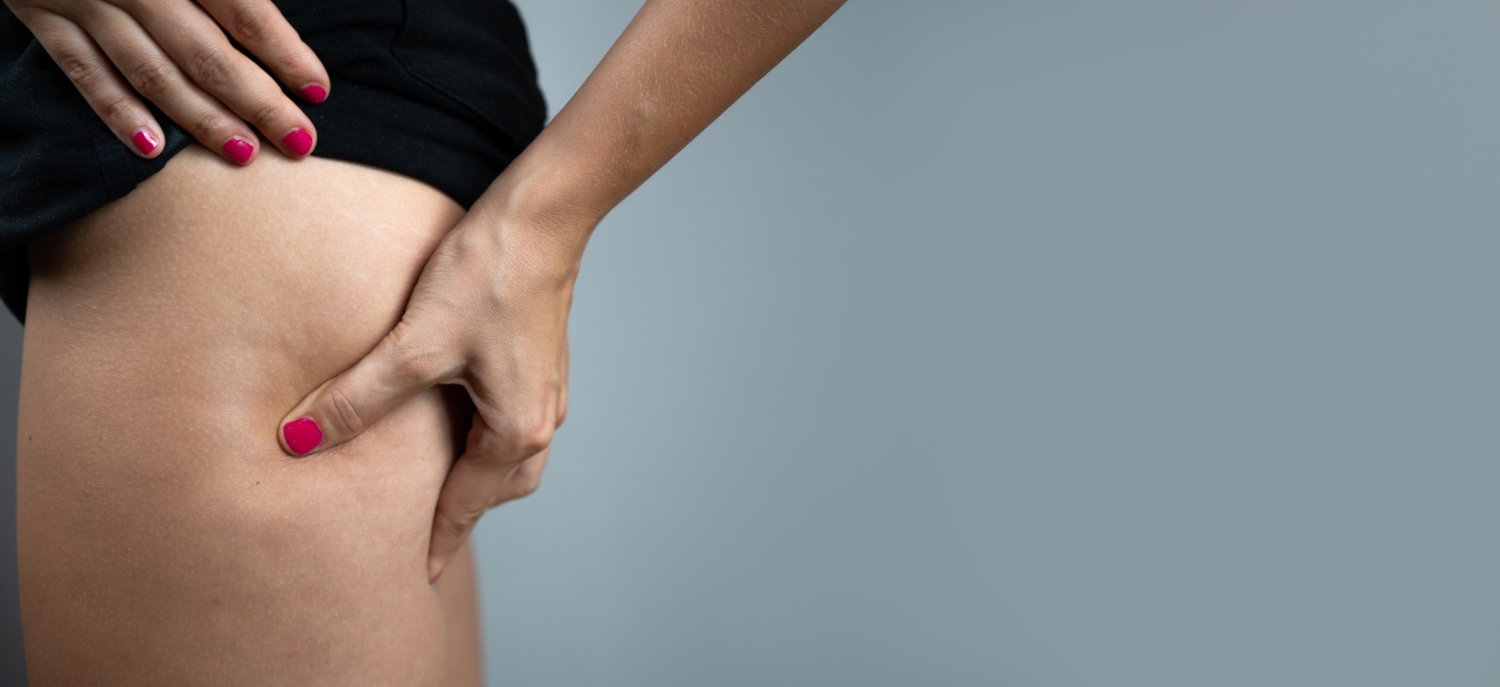
Lipedema is a chronic disorder of adipose tissue that primarily affects the legs and hips and can sometimes involve the arms. It is reported predominantly in women and may become noticeable or change during periods of hormonal transition, although the exact causes and mechanisms are not fully understood.
The condition is characterized by disproportionate fat accumulation in affected areas. The feet and hands are often relatively spared, creating a noticeable difference between the affected limbs and the surrounding areas. However, presentations vary, and this pattern alone does not confirm the diagnosis.
Lipedema is not simply ordinary weight gain. A person may experience lipedema alongside obesity, venous disease, or another medical condition. These conditions can overlap and may require separate evaluation and management.
How Lipedema Differs From Ordinary Weight Gain
Ordinary weight gain can affect several areas of the body, including the abdomen, hips, legs, and arms. Lipedema, by contrast, is associated with a characteristic distribution of tissue that may be disproportionate to the rest of the body.
Affected areas may feel tender or painful, and some people report bruising more easily. The amount of tissue in the legs may remain disproportionate even when overall body weight changes.
Weight management can still be important for general health when appropriate, but weight loss does not necessarily remove lipedema-associated tissue or resolve every symptom. Understanding this difference helps prevent unrealistic expectations about what diet and exercise can achieve.
Lipedema and Lymphedema: Understanding the Difference
Lipedema and lymphedema are distinct conditions, although they can sometimes occur together.
Lipedema primarily involves abnormal adipose tissue distribution. Lymphedema involves impaired lymphatic drainage, which can lead to fluid accumulation and swelling. In typical lipedema, the feet may be relatively unaffected, whereas lymphedema often involves the feet. These patterns are not absolute, so professional assessment is important.
A clinician may examine the distribution of tissue, skin changes, swelling patterns, medical history, and other findings to determine which condition is most likely. When necessary, further investigations can help assess other possible causes.
Important Signs of Lipedema in Jeddah
Recognizing common signs can help individuals decide when to seek evaluation. However, these features are not exclusive to lipedema, and self-assessment cannot replace a clinical examination.
1. Disproportionate Fat Accumulation in the Legs
One of the commonly described features of lipedema is an increase in fatty tissue around the hips, thighs, lower legs, or a combination of these areas. The upper and lower body may appear disproportionate, even when overall weight remains relatively stable.
Some individuals notice that their legs do not change in proportion to the rest of their body during weight loss. Others become aware of differences in limb shape over time.
The pattern and extent of tissue distribution vary, so the appearance of the legs alone cannot confirm the condition.
2. Symmetrical Changes on Both Sides
Lipedema often affects both legs in a broadly symmetrical pattern. Both thighs or lower legs may appear enlarged, although the degree of change may differ between sides.
This can be a useful observation to mention during a consultation. However, symmetrical swelling or enlargement can have other causes, so this feature should be considered alongside the full medical history and physical examination.
3. Tenderness or Sensitivity
Some people with lipedema report tenderness when pressure is applied to affected tissue. Everyday activities, clothing pressure, or prolonged contact may feel uncomfortable.
The level of sensitivity varies considerably. Not everyone with suspected lipedema experiences pain, and pain can also occur with other conditions affecting the muscles, joints, veins, or soft tissues.
Describe where the discomfort occurs, when it began, and whether it affects walking, standing, sleep, or other everyday activities.
4. Easy Bruising
Easy bruising is another feature reported by some individuals with lipedema. Bruises may appear after relatively minor contact or without a clearly remembered injury.
Bruising is not specific to lipedema. Certain medications, bleeding disorders, and other medical conditions can also contribute to bruising. New, unexplained, or extensive bruising should be discussed with a qualified medical professional rather than automatically attributed to lipedema.
5. A Feeling of Heaviness in the Legs
Some individuals describe their legs as heavy, tired, or uncomfortable, especially after prolonged standing or activity. This feeling may affect how long they can remain on their feet or participate in preferred activities.
Heaviness can also be associated with venous problems, swelling, and other medical conditions. During an assessment, explain whether the sensation improves with rest, changes during the day, or occurs alongside other symptoms.
6. Changes in Body Proportions Over Time
Lipedema may become more noticeable gradually. Changes can affect clothing fit, the appearance of the hips and legs, and the relationship between the upper and lower body.
Some individuals notice these changes during hormonal transitions or following significant life events. However, the timing of changes varies, and no single event establishes the cause.
Documenting when the changes first appeared and how they have developed can help the clinician understand the history of the condition.
7. Limited Response of Affected Areas to Weight Loss
Some people notice that their overall weight decreases while the shape of their legs remains relatively disproportionate. This experience may be frustrating, particularly if they have made sustained lifestyle changes.
Lipedema-associated tissue may respond differently from ordinary body fat. Nevertheless, this observation alone is not enough to diagnose lipedema, and weight changes can be influenced by numerous factors.
A balanced assessment should consider body proportions, symptoms, weight history, and other possible explanations.
Understanding the Possible Stages and Progression of Lipedema
Lipedema is sometimes described using stages based on changes in skin appearance and tissue structure. These classifications can help describe clinical findings, but they do not necessarily predict the amount of pain, functional difficulty, or emotional impact an individual experiences.
Early Changes
In earlier presentations, the skin surface may appear relatively smooth even when the distribution of tissue is disproportionate. Some people report tenderness or heaviness before noticeable changes in skin texture develop.
Because early features may be subtle, it can be useful to document changes in symptoms and body proportions rather than waiting for a more obvious appearance.
More Noticeable Tissue Changes
As the condition changes, the affected tissue may develop an uneven or nodular texture. The volume of the legs may become more pronounced, and some individuals may experience greater difficulty with clothing, movement, or prolonged activity.
The degree of change differs between people. Visible changes do not always correspond directly to symptom severity.
Advanced Tissue and Mobility Concerns
In more advanced presentations, substantial tissue enlargement may contribute to mobility limitations or friction in skin folds. Some individuals may also develop lymphatic complications, particularly when additional risk factors or conditions are present.
These changes require individualized assessment and practical support. The purpose of evaluation is to understand the person's current needs rather than assigning a stage based solely on appearance.
Steps Toward Proper Lipedema Evaluation
An appropriate evaluation helps determine whether lipedema is likely, identify other possible causes of symptoms, and establish a management plan.
Step 1: Document Your Symptoms
Before your appointment, write down the symptoms that concern you most. Include when they started, which areas are affected, and whether the symptoms have changed.
Useful details include:
- Whether both legs or arms are affected.
- Whether the tissue feels tender or painful.
- Whether bruising occurs frequently.
- Whether your legs feel heavy after standing.
- Whether swelling or discomfort changes during the day.
- Whether your mobility or daily routine has changed.
- Whether similar symptoms occur in family members.
A brief symptom diary can help you explain your experience clearly without relying entirely on memory during the consultation.
Step 2: Prepare Your Medical History
Your medical history provides important context for evaluating limb enlargement and discomfort. Prepare a list of relevant conditions, previous diagnoses, operations, current medications, supplements, allergies, and significant weight changes.
Mention any history of vein problems, lymphatic conditions, cardiovascular concerns, or other issues that may affect circulation or swelling.
If you have previous medical reports or investigation results, bring relevant documents to the appointment. Accurate information can help the clinician determine which assessments may be useful.
Step 3: Undergo a Physical Examination
A clinical examination may assess the distribution of fatty tissue, symmetry, skin texture, tenderness, swelling, and the condition of the feet and hands.
The clinician may also consider your mobility, circulation, and other features that help distinguish lipedema from alternative diagnoses.
An examination should be conducted respectfully and should focus on medical findings, functional concerns, and your individual goals.
Step 4: Discuss Whether Additional Investigations Are Needed
Lipedema is generally diagnosed through clinical assessment rather than a single definitive laboratory test. Additional investigations may be recommended when the history or examination suggests another condition or when more information is needed.
For example, an ultrasound or vascular assessment may be appropriate when venous disease is suspected. Other investigations depend on the symptoms and clinical findings.
Ask what each recommended test is intended to assess and how the result may influence the management plan.
Step 5: Establish a Personalized Plan
After the assessment, discuss the available management approaches, their purpose, and their limitations. Depending on the findings, the plan may include symptom monitoring, appropriate movement, compression when indicated, skin care, or consideration of specialist treatment.
Not every person requires every option. The plan should be based on the actual diagnosis and the individual's priorities rather than a standard package of treatments.
Lipedema Cost in Jeddah: Factors That Influence Expenses
The Lipedema cost in Jeddah can vary depending on the complexity of the assessment and the type of ongoing care recommended. Understanding the main cost components can help you prepare questions before booking an appointment.
Initial Consultation and Assessment
Initial expenses may include a clinical consultation, medical history review, physical examination, and discussion of possible diagnoses.
Some individuals may require additional investigations to evaluate other conditions. Ask whether these services are included in the initial fee or charged separately.
Additional Investigations
When clinically indicated, investigations may add to the total cost. These could include imaging, vascular assessment, or other tests relevant to the individual's symptoms.
Not everyone requires the same investigations. The clinician should explain why a particular test is recommended and how it may influence the next steps.
Ongoing Supportive Management
Some management plans involve periodic follow-up, compression garments, or supportive services. The type and frequency of care depend on the symptoms, individual preferences, and the presence of associated conditions.
When requesting an estimate, ask about both initial and recurring expenses. This provides a more complete picture of the financial commitment.
Surgical Options and Associated Costs
For selected individuals, lipedema reduction surgery may be discussed after appropriate assessment. Surgical costs can depend on the extent of treatment, the technique, anesthesia, facility fees, preoperative evaluation, and postoperative follow-up.
Surgery is not necessary for everyone, and it should not be chosen based on price alone. Ask what benefits are realistically expected, what limitations remain, and whether additional management may be needed afterward.
How to Compare Treatment Estimates
A useful cost comparison should consider:
- What the initial consultation includes.
- Whether additional investigations are required.
- The recommended treatment and its purpose.
- Any expected follow-up appointments.
- Whether garments or supportive services are charged separately.
- The total estimated cost of any proposed surgery.
- The arrangements for postoperative or ongoing care.
A transparent estimate helps you compare plans without assuming that the least expensive option is automatically the most suitable.
Long-Term Management After Lipedema Evaluation
Once a diagnosis has been established or a management plan has been developed, regular review can help address changing symptoms and maintain practical goals.
Appropriate Physical Activity
Movement can support cardiovascular health, strength, mobility, and general well-being. Walking, swimming, water-based exercise, or cycling may be suitable for some people, depending on comfort and physical ability.
Activity should be adjusted to the individual's symptoms and medical circumstances. It is not a cure for lipedema, and the aim is to support function rather than force changes in the affected tissue.
Compression and Symptom Support
Compression garments may help selected individuals manage associated swelling or discomfort. Their usefulness depends on fit, pressure, and individual needs.
Professional guidance is important when choosing a garment, particularly if there are circulation concerns or other medical conditions. Compression should not be assumed to be necessary or appropriate for everyone.
Balanced Nutrition and General Health
Balanced nutrition can support overall health and help manage associated conditions. If weight management is relevant, the goal should be a sustainable approach rather than an extreme diet.
It is important to understand that lipedema is not simply caused by poor eating habits. Lifestyle measures can support health, but they do not reliably eliminate the characteristic tissue distribution.
Regular Follow-Up
Follow-up appointments provide an opportunity to review symptoms, mobility, and the effectiveness of the management plan. The frequency of review depends on individual needs and whether symptoms are changing.
If a new symptom develops, reassessment may be necessary rather than simply increasing existing treatments.
When Should You Seek Medical Evaluation?
Consider arranging a professional assessment if you notice persistent, unexplained, disproportionate enlargement of the legs or arms, especially when it is accompanied by tenderness, heaviness, or easy bruising.
Evaluation is also appropriate if symptoms interfere with walking, standing, clothing comfort, or other everyday activities. Earlier assessment can help clarify the possible cause and identify suitable management options.
It is important not to attribute every change in the legs to lipedema. Sudden swelling, particularly in one leg, new significant pain, redness, or warmth requires prompt medical attention. Chest pain or difficulty breathing may indicate an emergency and requires immediate emergency care.
A clinician can help determine whether symptoms are related to lipedema or another condition requiring separate treatment.
Common Misconceptions About Lipedema
Lipedema Is Simply a Weight Problem
Lipedema is a distinct disorder of adipose tissue distribution. It can occur in people of different body sizes and may coexist with obesity, but the two are not interchangeable.
Every Person With Lipedema Experiences Pain
Tenderness and pain are common reported features, but symptom severity varies. Some individuals primarily notice changes in body proportions, while others experience more substantial discomfort.
One Test Can Confirm Every Case
There is no single test that independently confirms all cases of lipedema. Clinical history and physical examination are central, with additional investigations used when appropriate.
Diet and Exercise Can Completely Remove Lipedema Tissue
Healthy eating and suitable physical activity support general well-being, but they do not reliably eliminate lipedema-associated tissue. Management should focus on realistic health and functional goals.
Surgery Is Always Required
Surgery is not necessary for every individual. Conservative management may help address symptoms, while surgery may be discussed for selected people after comprehensive assessment.
Conclusion: Taking the Right Steps for Lipedema in Jeddah
Recognizing possible signs of lipedema is an important step toward understanding persistent changes in limb shape, tenderness, heaviness, or easy bruising. However, these features can overlap with other medical conditions, making professional evaluation essential before deciding on a treatment approach.
When researching Lipedema in Jeddah, prepare a clear history of your symptoms, gather relevant medical information, and ask how the assessment will distinguish lipedema from other possible causes. A suitable management plan should reflect your symptoms, mobility, general health, personal priorities, and the findings of the clinical examination. Supportive approaches such as appropriate physical activity, compression when recommended, skin care, and regular follow-up may help some individuals manage their condition. Surgical treatment may be considered for selected cases, but its suitability and expected benefits must be assessed individually.
Understanding the Lipedema cost in Jeddah is also an important part of planning. Ask for a transparent estimate covering consultations, necessary investigations, ongoing care, and any proposed procedure. Financial considerations matter, but treatment decisions should prioritize accurate diagnosis, appropriate professional qualifications, and realistic expectations.
If you are considering a consultation involving Dr. Hattan Aljaaly, independently verify current professional credentials and discuss your symptoms and available options in detail. Avoid relying on guaranteed outcomes or claims that a single treatment is suitable for everyone.
Ultimately, Lipedema in Jeddah should be approached through careful evaluation, reliable information, and an individualized management strategy. Understanding the signs and seeking appropriate medical guidance can help you make informed decisions and work toward practical goals that support comfort, mobility, and long-term well-being.
Frequently Asked Questions About Lipedema in Jeddah
1. What are the common signs of lipedema?
Common features may include disproportionate fat accumulation around the hips and legs, symmetrical changes, tenderness, easy bruising, and a feeling of heaviness. Not everyone experiences all these features, and professional assessment is needed to distinguish lipedema from other conditions.
2. What is the lipedema cost in Jeddah?
The cost depends on the consultation, additional investigations, follow-up appointments, supportive treatments, and whether surgery is recommended. Request an itemized estimate that explains the services included and any potential recurring expenses.
3. How is lipedema diagnosed?
Diagnosis generally involves a review of symptoms and medical history, followed by a physical examination. Additional investigations may be recommended to assess other possible causes of tissue enlargement or swelling.
4. Can lipedema affect the arms as well as the legs?
Yes. Lipedema most commonly affects the legs and hips but can also involve the arms. The distribution varies between individuals, so the affected areas should be assessed as part of the overall clinical picture.
5. Is lipedema the same as lymphedema?
No. Lipedema primarily involves abnormal adipose tissue distribution, whereas lymphedema involves impaired lymphatic drainage and fluid accumulation. The conditions can sometimes coexist, so an appropriate assessment is important.
6. Can weight loss eliminate lipedema?
Weight loss may change overall body fat and support general health, but it does not reliably eliminate lipedema-associated tissue. A management plan should account for both lipedema and any other relevant weight-related health concerns.
7. Does lipedema always become worse over time?
The course varies. Some individuals experience relatively stable symptoms, while others notice changes in tissue distribution, comfort, or mobility. Regular assessment can help identify changes and determine whether the management plan needs adjustment.
8. What treatments may help manage lipedema symptoms?
Depending on individual needs, management may include appropriate physical activity, compression garments when indicated, skin care, symptom monitoring, and specialist assessment. Surgery may be considered for selected individuals after a comprehensive evaluation.
9. When should I seek medical help for leg swelling?
Arrange an assessment for persistent or unexplained swelling, disproportionate limb enlargement, tenderness, or heaviness. Sudden swelling in one leg, significant new pain, redness, or warmth requires prompt medical attention. Chest pain or difficulty breathing requires emergency care.
10. What should I bring to a lipedema consultation?
Bring a list of symptoms, current medications, supplements, relevant medical conditions, previous diagnoses, and any available medical reports. Prepare questions about diagnosis, additional investigations, treatment options, expected costs, and long-term follow-up.

Comments