India eVisa Documentation Guide for East Timor Citizens
Traveling to India offers East Timor citizens an enriching experience filled with diverse culture, historical landmarks, spiritual destinations, and vibrant cities. From the Taj Mahal in Agra to the beaches of Goa and the Himalayan landscapes in the north, India provides a wide range of attractions for international tourists. Visitors are required to meet basic travel conditions such as a valid passport, approved visa, and supporting travel details before arrival.

For smooth entry, travelers must understand the India entry requirements for East Timor Citizens , which generally include a valid eVisa approval, passport validity of at least six months, and a clear travel purpose such as tourism. It is also recommended to carry return flight details and proof of accommodation. Following these entry rules ensures a hassle-free immigration process and allows East Timor tourists to enjoy their journey across India with ease and confidence.
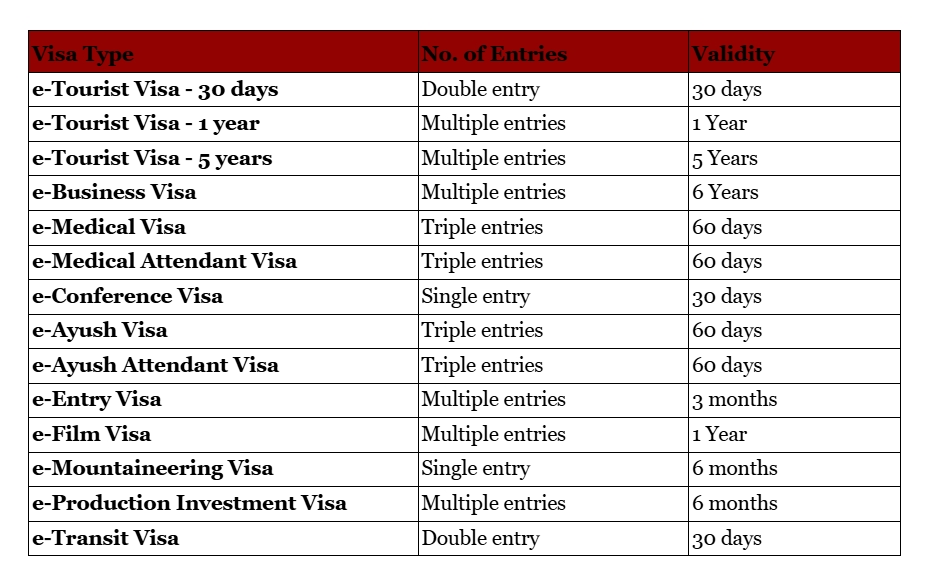
What Types of India eVisa are Available for East Timor Citizens?
The Indian eVisa system offers a variety of categories tailored to the specific purpose of your visit. Below is a breakdown of the available options, their entry permissions, and their validity periods.
What are the Required Documents for an India eVisa?
Regardless of the visa type, all applicants must prepare foundational documents. Specific visa categories may require supplemental information.
Foundational Requirements
- Passport Copy: A scanned copy of the passport’s bio page, which must be valid for at least six months from the date of arrival and contain at least two blank pages.
- Photograph: A recent, clear, front-facing photograph against a white background.
Supplemental Documentation
- e-Medical/e-Ayush Visa: An official letter from the hospital or medical center in India, including the tentative date of admission.
- e-Medical/e-Ayush Attendant Visa: The Medical eVisa number of the patient is mandatory to link the attendant’s application.
- e-Business Visa: A formal invitation letter from the Indian firm, justifying the purpose of your travel and detailing the nature of your business.
- e-Conference Visa: A formal letter of invitation from the organizing institution, NGO, or specialized agency registered in India.
How Long is the Processing Time for an India eVisa?
The processing time for an India eVisa is the duration taken to review and approve your application, which usually depends on the visa type and urgency of your request.
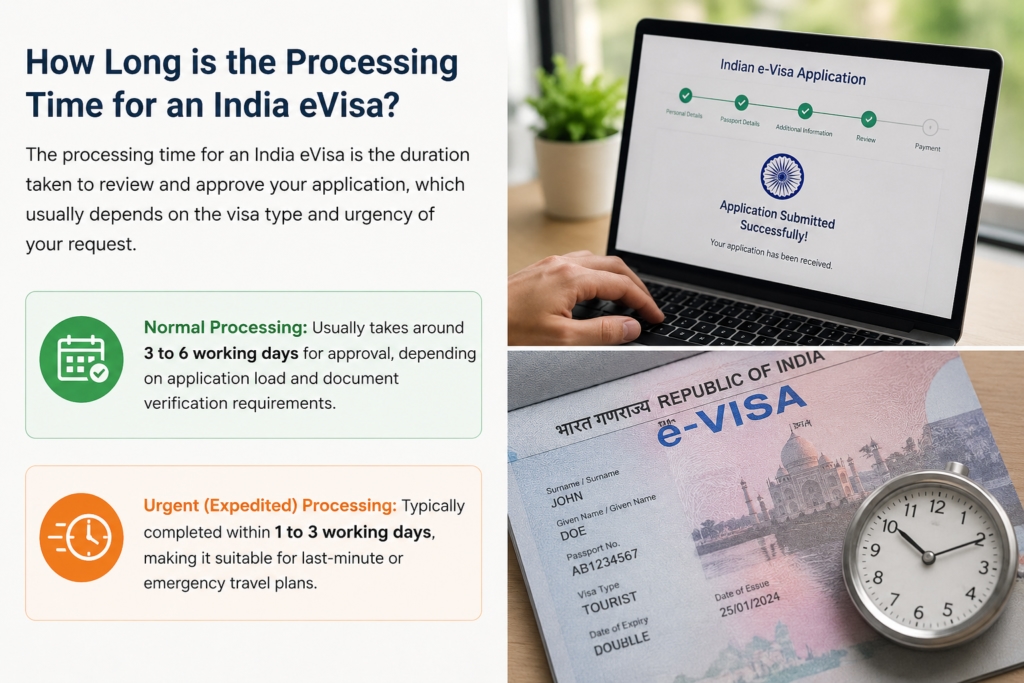
- Normal Processing: Usually takes around 3 to 6 working days for approval, depending on application load and document verification requirements.
- Urgent (Expedited) Processing: Typically completed within 1 to 3 working days, making it suitable for last-minute or emergency travel plans.
Who is Eligible to Apply for an India Visa?
The eligibility to apply for an India visa depends on nationality, travel purpose, and passport validity, allowing foreign travelers who meet basic entry requirements to apply for different visa types.
- Foreign Nationals: Citizens of eligible countries traveling to India for tourism, business, medical, or other permitted purposes
- Valid Passport Holders: Applicants must hold a passport valid for at least 6 months from the date of arrival
- Purpose-Based Eligibility: Travel purpose must match an approved visa category (tourism, business, medical, conference, etc.)
- India Visa Tourist Visa for Ecuador Citizens
- India Visa Online Application for El Salvador Citizens
- India Visa Guide for Equatorial Guinea eVisa
- India Visa Process for Estonia Citizens
- India Visa Eligibility for Fiji Citizens
- Clean Travel Record: Applicants should not have any immigration violations or entry bans in India
- Required Documents: Must be able to provide basic documents like travel details, photograph, and supporting information as required for the visa type
Can I Convert a Tourist Visa into a Work Visa in India?
No, you cannot convert a tourist visa into a work visa in India, as current immigration rules strictly prohibit any change of visa type from tourist status to employment while staying in the country. If you wish to work in India, you must leave the country and apply for an appropriate employment visa from your home country or country of legal residence through the proper application process.
Can I Enter Duty-Free Shops Without a Passport in India Airports?
No, you cannot enter or shop at duty-free stores in Indian airports without a valid international passport and boarding pass, as these shops are strictly reserved for international passengers and are regulated by customs authorities. Both documents are required to verify that you are traveling abroad, making them mandatory for accessing duty-free purchases.
Does UPI Work for Foreign Tourists in India?
Yes, many foreign visitors can now use UPI (Unified Payments Interface) in India. Through specialized "UPI for Tourists" or "UPI One World" programs, international travelers can scan QR codes at millions of merchants without needing a local Indian bank account. You generally top up these digital wallets using an international debit or credit card.
Can I Edit an India Visa Application After Submission?
No, you generally cannot edit an India visa application after it has been submitted, and any errors in details such as passport information, personal data, or travel dates usually require you to submit a new application. Therefore, it is important to carefully review all information before final submission to avoid delays, rejection, or the need to reapply.
How Long Should I Wait Before Re-entering India After a Visa Exit?
The waiting period before re-entering India after exiting depends on your visa type and specific conditions mentioned in your visa grant notice, especially for certain e-Tourist visas that may include a mandatory gap between visits.
- Visa Type Dependent: Re-entry rules vary based on whether you hold a single-entry, double-entry, or multiple-entry visa
- Mandatory Gap Rule: Some e-Tourist visas may require a waiting period before re-entering India after exit
- Check Visa Grant Notice: Your official visa document is the final authority for re-entry conditions and stay limits
- Multiple Entry Visas: These may allow quicker re-entry, but still must follow duration and stay restrictions
- Compliance Required: Always follow the specified exit and re-entry rules to avoid immigration issues
Does India Allow Dual Nationality or Multiple Passports?
No, India does not allow dual citizenship, meaning if an Indian citizen voluntarily acquires citizenship of another country, their Indian citizenship is automatically revoked. However, individuals with Indian origin can apply for an Overseas Citizen of India (OCI) card, which provides certain long-term privileges in India but does not grant full citizenship rights or an Indian passport.
What are the Benefits of Applying for an India eVisa Online?
The India eVisa system offers a convenient and efficient way for eligible travelers to apply for entry permission online, eliminating the need to visit embassies and simplifying the entire travel authorization process.
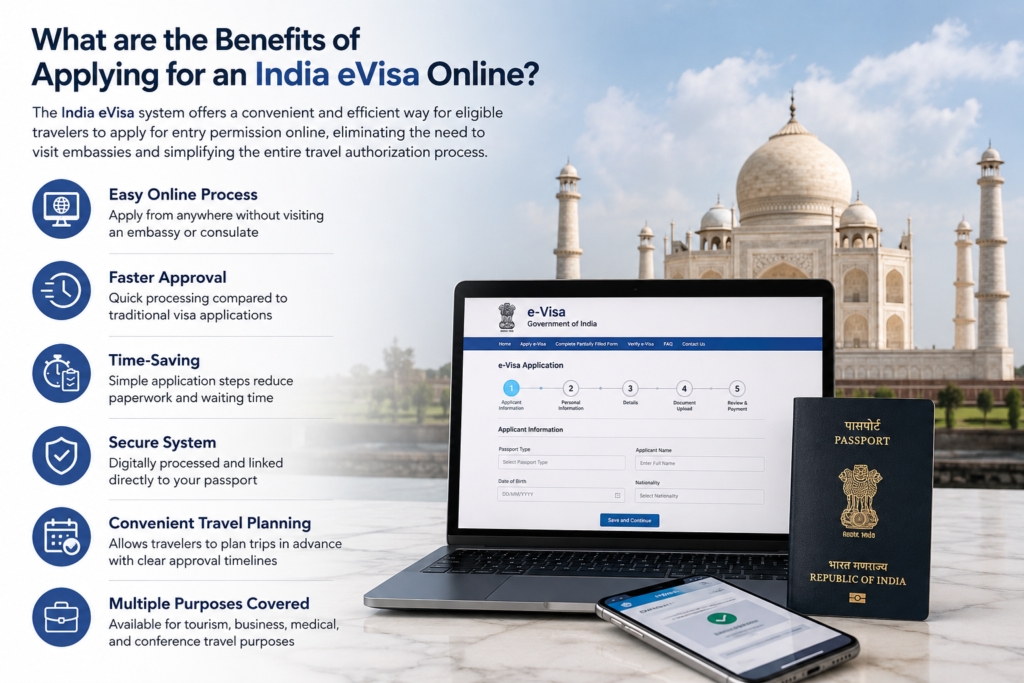
- Easy Online Process: Apply from anywhere without visiting an embassy or consulate
- Faster Approval: Quick processing compared to traditional visa applications
- Time-Saving: Simple application steps reduce paperwork and waiting time
- Secure System: Digitally processed and linked directly to your passport
- Convenient Travel Planning: Allows travelers to plan trips in advance with clear approval timelines
- Multiple Purposes Covered: Available for tourism, business, medical, and conference travel purposes
Conclusion:
Navigating the India eVisa process for East Timor citizens requires attention to detail and proactive planning. By ensuring your documents—such as passport copies and invitation letters—are accurate and meeting the eligibility criteria, you significantly increase your chances of a smooth approval. Remember to utilize the digital tools available, such as UPI, for a seamless experience during your stay. Always rely on the official information provided during your application to ensure your travel remains compliant with current regulations, setting the stage for a successful and enjoyable visit to India.
Comments