Underground utility systems are essential to modern residential, commercial, and industrial developments. Water pipelines, sewer connections, electrical conduits, and communication cables help communities function efficiently. Installing these systems requires careful planning and precise groundwork to ensure that underground infrastructure can operate safely and reliably.
Planning Before Digging Begins
Successful utility installation starts with a detailed assessment of the construction site. Contractors must review project drawings, identify existing underground services, and determine the required trench locations and depths.
Soil conditions and nearby structures can also influence the excavation method. Proper planning helps identify potential obstacles early and allows construction teams to select suitable machinery for the work.
Creating Accurate Trenches
Trenching is an important part of underground utility installation. Trenches must follow the required alignment, width, and depth to accommodate the planned pipes, cables, or conduits.
Professional Excavation Services can help contractors prepare trenches according to project specifications while managing soil removal and site access. Accurate excavation also helps reduce unnecessary rework during utility installation.
Selecting Suitable Equipment
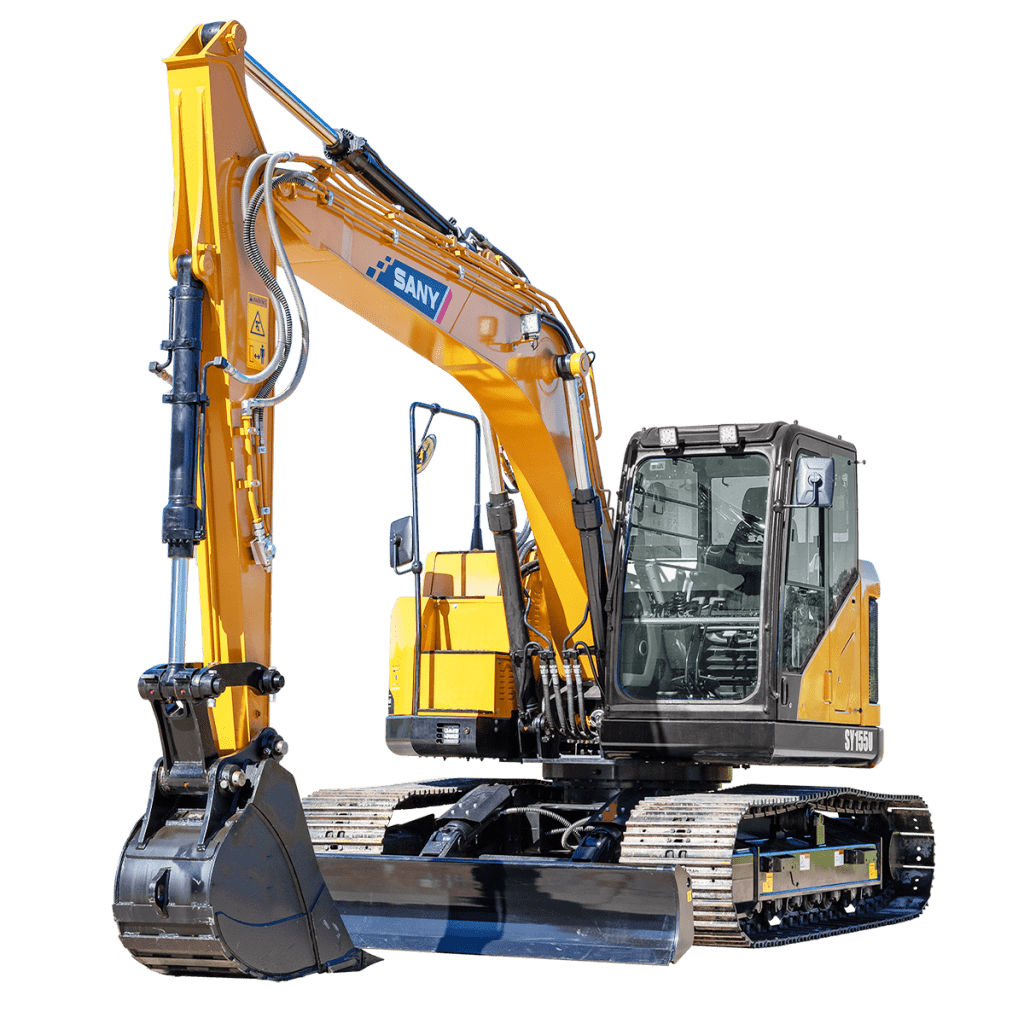
Different utility projects require different types of machinery. Compact excavators may be appropriate for restricted urban sites, while larger machines can support extensive infrastructure projects involving substantial earth removal.
Equipment selection should account for digging depth, ground conditions, working space, and the proximity of existing structures. Using suitable machinery helps improve efficiency while allowing operators to work with greater control.
Protecting Existing Underground Infrastructure
One of the most important considerations in utility excavation is preventing damage to existing underground services. Water lines, gas pipes, electrical cables, and telecommunications infrastructure may be located close to the planned excavation area.
Contractors should arrange for utility locations to be identified before digging and follow applicable safety procedures. Where necessary, careful digging methods and appropriate protective measures should be used around identified services.
Managing Soil and Backfilling
Once utility installation is complete, the trench must be backfilled according to the project's specifications. Suitable backfill materials and appropriate compaction help support the installed infrastructure and restore the ground surface.
Poor backfilling can contribute to settlement, uneven surfaces, and damage to nearby improvements. Following engineering requirements during this stage helps maintain the quality of the completed installation.
Improving Efficiency Through Maintenance and Planning
Reliable equipment and organized scheduling help keep utility projects on track. Regular machinery inspections can reduce unexpected breakdowns, while coordinating excavation with utility crews helps prevent unnecessary delays.
Construction teams should also plan soil storage, material deliveries, and equipment access in advance. These practical steps can improve productivity and help maintain a safer working environment.
Conclusion
Underground utility installation depends on accurate excavation, careful planning, and responsible site management. From trench preparation to backfilling, each stage contributes to the reliability of the finished infrastructure. By choosing appropriate machinery and following established safety and construction practices, contractors can complete utility groundwork more efficiently and prepare sites for long-term use.
Comments