Expanding Your Cafe Menu? 7 Ways to Introduce Baked Goods in Your Coffee Shop

For many cafes, the journey starts with coffee. Espresso, lattes, cold brew, and seasonal specials take center stage. But at some point, customers begin asking the same question: “Do you have anything to eat?” That’s often the signal that it’s time to add baked goods to the menu.
Choosing the right baked goods isn’t about offering everything. It’s about offering the right mix that fits your brand, your space, and your customers’ habits. With smart choices and the right baking supplies, baked goods can boost sales, increase dwell time, and turn casual visitors into regulars.
Here’s how to build a bakery menu that works for your coffee shop.
1. Start With Your Customers and Your Coffee
Before deciding on products, take a close look at who walks through your door. Are they commuters grabbing coffee to go? Remote workers staying for hours? Weekend brunch crowds?
Your baked goods should match how customers use your space. A morning-heavy crowd may want quick, handheld items like muffins or doughnuts. Customers who sit longer might appreciate plated pastries, slices of cake, or savory options that feel more like a light meal.
It’s also important to think about your coffee. Baked goods should complement your drinks, not compete with them. Rich, chocolatey pastries pair well with bold espresso. Lighter breads and croissants work nicely with drip coffee or tea. The goal is balance.
2. Build a Strong Foundation With Breads

Breads are often overlooked, but they’re one of the most flexible baked goods you can offer. Banana bread, zucchini bread, lemon loaf, or simple pound cake can be sliced, wrapped, and sold easily.
They’re also forgiving to store and serve. With proper baking supplies and storage, breads hold up well throughout the day and don’t require elaborate plating. You can rotate flavors seasonally without changing your entire menu, which keeps things fresh without adding complexity.
If your shop serves breakfast sandwiches or toast, breads become even more valuable. One product can support multiple menu items.
3. Offer a Small but Thoughtful Cake Selection
Cakes don’t need to be large or fancy to sell well. Individual slices or small-format cakes often perform better in coffee shops than full-sized ones.
Choose flavors that feel familiar and approachable. Carrot cake, chocolate cake, and vanilla cake with simple frosting are safe starting points. These pair well with coffee and appeal to a wide range of customers.
Display matters here. A clean cake stand or small refrigerated case can elevate even the simplest cake. With the right baking supplies and presentation, cakes can feel special without being high-maintenance.
4. Doughnuts, Bars, and Other Grab-and-Go Sweet Pastries
From glazed doughnuts and rolls to chewy bars and squares, sweet pastries are strong sellers, especially during morning hours. They’re easy to eat, visually appealing, and often impulse buys.
Quality matters, so limit your selection at first. A classic glazed doughnut, one filled option, and one seasonal flavor are often enough. Too many choices can slow service and increase waste.
If you don’t bake in-house, consider sourcing from a local baker or wholesaler who uses consistent ingredients and professional baking supplies.
5. Don’t Skip Savory Pastries
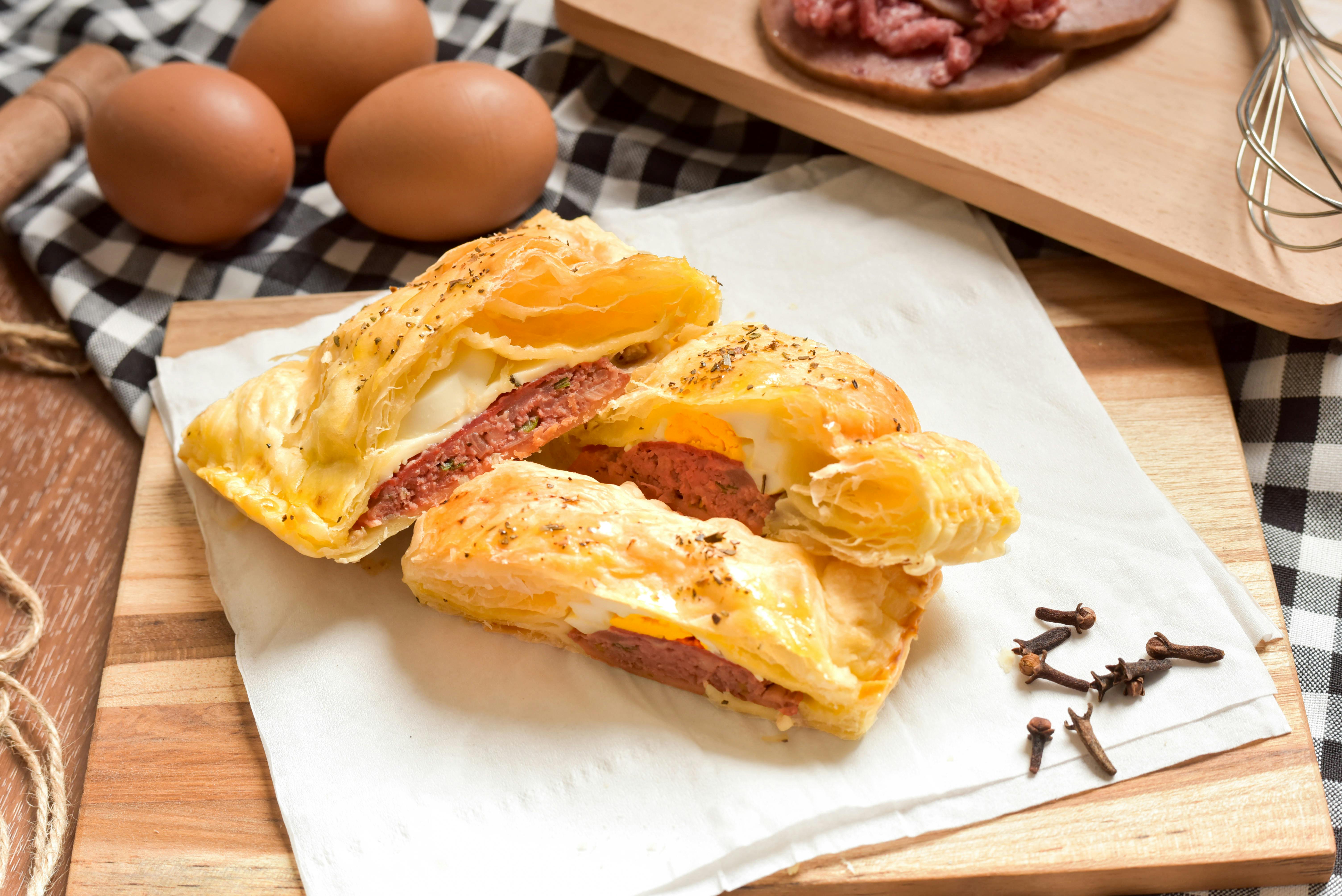
Many coffee shops focus heavily on sweets and forget about savory items. That’s a missed opportunity.
Savory pastries, such as cheese danishes, spinach pies, sausage rolls, or croissants with fillings, appeal to customers who want something more substantial than a snack but not a full meal. They’re especially popular with people who don’t enjoy sweet breakfasts.
Savory options also help balance your menu and increase average order value. A customer who might skip dessert could still add a savory pastry to their coffee.
Keep Assorted Options Without Overloading
Assortment is important, but excess is expensive. A well-curated menu often outperforms a crowded one.
Aim for a mix that covers:
One or two breads
One cake option
Two to three sweet pastries
One or two savory items
This approach lets customers feel they have choices without overwhelming your staff or stretching your baking supplies and storage capacity.
Track what sells. Remove items that consistently underperform and replace them with variations of what customers already love.
6. Think About Storage, Prep, and Waste
Baked goods only make sense if they’re practical for your operation. Before adding an item, ask:
How long does it stay fresh?
Does it need refrigeration?
Can staff serve it quickly during rush hours?
Investing in the right baking supplies, display cases, and packaging will protect product quality and reduce waste. Clear labels, proper wrapping, and temperature control all make a difference.
7. Grow Slowly and Intentionally
You don’t need a full bakery menu on day one. Start small, learn what works, and build from there.
Adding baked goods is about more than food. It’s about creating a complete coffee shop experience. When done right, the smell of fresh pastries, the sight of a well-stocked case, and the taste of something that pairs perfectly with coffee can transform your café from a drink stop into a destination.
With thoughtful choices and reliable baking supplies, your menu can grow in a way that feels natural, profitable, and true to your brand.
Author Bio: Carmina Natividad is a resident writer for Mauri, a trusted name in baking supplies and ingredients across Australia and New Zealand. She enjoys sharing practical insights and inspiration to help bakers, from local artisans to large-scale producers, create consistently high-quality, delicious baked goods.
Comments