Introduction: Maximize Your Home with Custom Closets Dubai
Creating an organized and visually appealing home begins with making the best use of available space. In modern homes, closets play an important role in keeping clothing, accessories, footwear, and personal belongings neatly arranged. Custom Closets Dubai solutions offer homeowners an opportunity to combine practical storage with attractive interior design. Whether you live in a compact apartment or a spacious villa, a carefully planned closet can help reduce clutter, improve accessibility, and create a more comfortable living environment.
Choosing Custom Closets Dubai designs allows homeowners to consider their specific storage requirements rather than relying entirely on standard furniture dimensions. Custom closets can be designed around room layouts, wall heights, corners, alcoves, and individual preferences. Features such as adjustable shelving, dedicated shoe storage, pull-out drawers, hanging rails, and concealed compartments make it easier to organize different belongings. By combining these features with suitable materials and finishes, homeowners can create storage that complements their interiors while using available space more efficiently.
When exploring Custom Closets Dubai ideas, it is important to consider both appearance and functionality. An attractive closet should also be convenient to use, provide enough room for everyday items, and adapt to changing household needs. Thoughtful planning can transform an underused corner into practical storage or turn an entire wall into a coordinated closet system. With the right design approach, homeowners can achieve a balanced combination of organization, style, and space utilization.
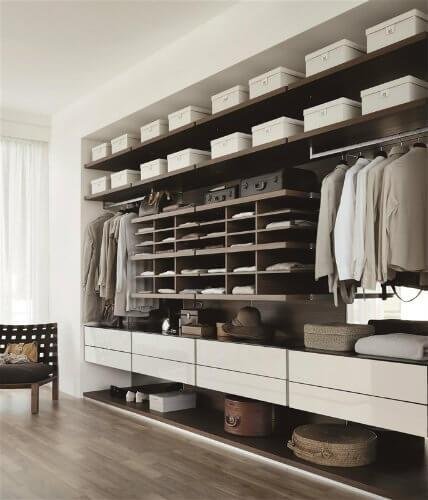
Why Space Utilization Matters in Modern Interior Design
Effective space utilization helps make a home feel more organized and comfortable. Every room has different dimensions, furniture requirements, and storage challenges. A closet that fits these conditions can improve daily routines while reducing the need for additional storage furniture.
Making Small Rooms Feel More Spacious
In a compact bedroom, bulky wardrobes and separate storage units can limit movement. A custom closet can use available wall space more efficiently and reduce the need for multiple pieces of furniture.
Built-in designs may fit between walls or extend toward the ceiling, making better use of vertical space. Sliding doors can also help preserve clearance in rooms where hinged doors might interfere with beds or bedside tables.
Reducing Everyday Clutter
Clutter often develops when belongings do not have clearly defined storage locations. Clothing may accumulate on chairs, shoes may remain near entrances, and accessories may occupy valuable surfaces.
A closet with dedicated compartments makes it easier to return items to their proper places. Drawers, shelves, hanging rails, and storage boxes can each serve a specific purpose, helping maintain a tidy interior.
Improving Accessibility
Good storage design makes frequently used belongings easy to locate. Everyday clothing should be placed at convenient heights, while seasonal items and infrequently used accessories can occupy upper shelves or less accessible compartments.
This arrangement reduces unnecessary searching and makes daily routines more efficient. Adjustable shelves and modular organizers also allow homeowners to modify the closet as their needs change.
Popular Custom Closets Dubai Designs for Better Space Utilization
The most suitable closet style depends on room size, storage needs, interior preferences, and available budget. Several designs can help homeowners make better use of their space without compromising visual appeal.
1. Floor-to-Ceiling Built-In Closets
Floor-to-ceiling closets use vertical space to increase storage capacity. Instead of leaving an unused gap above the closet, the design extends toward the ceiling, creating additional room for luggage, seasonal clothing, bedding, and other belongings.
This approach can create a seamless appearance, particularly when the closet doors match the surrounding wall color. Alternatively, contrasting finishes can turn the closet into an intentional interior feature.
Upper compartments are best suited to items that are not needed every day. Frequently used clothing should remain at comfortable heights, ensuring that the closet is practical as well as spacious.
2. Sliding-Door Closets for Compact Bedrooms
Sliding-door closets are particularly useful when a room has limited clearance. Since the doors move along tracks, they do not swing outward into the bedroom.
This arrangement can make furniture placement easier in narrow rooms. Sliding doors can feature plain panels, wood-look finishes, mirrored surfaces, or combinations of materials.
Before choosing this design, consider how much access each sliding panel provides to the closet's interior. Track quality, door alignment, and smooth movement are also important for long-term convenience.
3. Walk-In Closets with Organized Storage Zones
Walk-in closets provide a dedicated area for clothing, footwear, bags, and accessories. Depending on the available space, the layout may include hanging rails, drawers, shelves, mirrors, and a dressing area.
A walk-in closet should be planned around movement and accessibility. Shelving and hanging sections should not obstruct the main walkway, and frequently used items should remain easy to reach.
Even a modest walk-in space can be effective when the layout is carefully designed. Using clear storage zones helps prevent the area from becoming overcrowded and improves everyday organization.
4. Corner Closets for Unused Areas
Corners are sometimes difficult to furnish, especially in rooms with unusual layouts. A custom corner closet can convert an underused area into practical storage.
The design may include angled shelving, hanging sections, drawers, or corner-access systems, depending on the available dimensions. Careful planning is necessary to avoid creating compartments that are difficult to reach.
Corner closets are particularly useful when a conventional straight wardrobe would interfere with windows, doorways, or existing furniture.
5. Open Closets for Accessible Storage
Open closets provide easy visibility and direct access to clothing and accessories. They may include open shelves, hanging rails, drawers, and modular compartments.
This design can work well in dedicated dressing rooms or bedrooms where belongings can be arranged neatly. Coordinated hangers, storage boxes, and organized shelves help create an attractive appearance.
However, open closets expose items to more dust than fully enclosed designs. Homeowners should consider cleaning requirements and personal preferences before choosing this option.
6. Minimalist Closets with Concealed Storage
Minimalist closets emphasize clean lines, simple finishes, and discreet hardware. Concealed compartments help maintain a calm visual appearance by keeping most belongings out of sight.
Neutral colors such as white, beige, cream, and soft grey can complement modern interiors. Wood-look finishes may introduce warmth, while carefully selected metallic details can add subtle contrast.
The key to a successful minimalist closet is combining a simple exterior with an effective internal arrangement. Behind plain doors, adjustable shelves and dedicated compartments can provide substantial storage.
Custom Closets Dubai Ideas for Small Apartments
Small apartments benefit from storage that makes efficient use of both vertical and horizontal space. The objective is to maximize capacity while preserving comfortable movement and maintaining a balanced interior.
Use Vertical Space Effectively
Tall closets can increase storage capacity without expanding the floor footprint. Upper shelves can accommodate seasonal clothing, luggage, spare bedding, and other belongings that are not required daily.
The lower sections should remain dedicated to frequently used items. A practical arrangement prevents the need to reach high shelves repeatedly and makes everyday organization more convenient.
Combine Hanging Rails and Shelving
A closet does not need to use the same internal layout throughout. Different sections can accommodate different types of belongings.
Long hanging sections work for dresses and coats, while shorter rails can hold shirts, jackets, and trousers. Shelves can store folded garments, handbags, and boxes, while drawers are useful for smaller accessories.
Combining these features allows homeowners to make the most of available dimensions.
Choose Light and Coordinated Finishes
Light-colored closet doors can create a bright, uncluttered appearance. Matching the finish to the surrounding walls may help a large storage unit blend into a compact room.
Mirrored doors can reflect light and provide a convenient dressing surface. Their placement should suit the room's layout and the homeowner's preferences.
Consider Multi-Functional Furniture
In smaller bedrooms, closets may be combined with additional storage features, such as drawers beneath a dressing counter or shelving integrated into a wall unit.
The design should avoid adding unnecessary complexity. Every feature should serve a clear purpose, and the layout should preserve sufficient space for movement and access.
Smart Internal Storage Solutions for Better Organization
The exterior appearance of a closet is only one part of its design. Internal storage features determine how effectively the available space can be used.
Adjustable Shelves
Adjustable shelves provide flexibility for different types of belongings. Shelf heights can be modified to accommodate folded clothing, handbags, storage boxes, or accessories.
This flexibility is useful for households whose storage needs change over time. It also allows the closet to be reorganized without replacing the entire unit.
Pull-Out Drawers and Dividers
Drawers help keep smaller belongings organized and out of sight. Dividers can separate socks, belts, jewellery, watches, and other accessories.
Shallow drawers work well for small items, while deeper drawers can store folded clothing. Soft-close mechanisms may improve convenience by reducing abrupt closing and unnecessary noise.
Dedicated Shoe Storage
Shoes can occupy considerable space if they are placed randomly on shelves or the floor. Dedicated shoe racks, pull-out shelves, and adjustable compartments help keep footwear organized.
Frequently worn shoes should be stored in accessible locations. Seasonal or occasional footwear can be placed in upper or lower compartments, depending on the closet's layout.
Accessory Organizers
Small accessories are easier to locate when they have dedicated storage. Hooks, trays, boxes, and divided drawers can accommodate belts, bags, scarves, and other personal items.
The best arrangement depends on the types of accessories being stored. Avoid adding organizers that take up more space than they provide in useful capacity.
Seasonal Storage Sections
Seasonal belongings may not need to occupy the most accessible parts of a closet throughout the year. Upper shelves and designated storage boxes can accommodate winter clothing, travel accessories, or extra bedding.
Labelling containers helps identify their contents without opening each one. Keeping seasonal items separate also makes it easier to reorganize the closet when requirements change.
Choosing Materials and Finishes for Custom Closets Dubai
Material selection influences the appearance, maintenance, construction quality, and overall cost of a closet. The right choice should complement the interior while meeting practical expectations.
Wood and Wood-Look Finishes
Wood and wood-look finishes can introduce warmth and texture. Light wood tones often suit bright, contemporary rooms, while darker shades may create a more formal appearance.
The performance of a closet depends on its construction, surface treatment, edge finishing, and hardware as well as its material appearance. Ask about the specific products used and their maintenance requirements before making a decision.
Decorative Laminates
Decorative laminates offer a wide range of colors, textures, and patterns. They can provide a consistent appearance across doors, drawers, and other closet components.
Matte finishes can create an understated look, while glossy surfaces reflect more light. Consider cleaning requirements and how the finish will look under the bedroom's natural and artificial lighting.
Glass and Mirror Panels
Glass-front and mirrored closets can create visual interest without relying on elaborate decoration. Mirrors may also help reflect existing light and provide a useful surface for dressing.
The choice of glass should consider safety, hardware compatibility, and maintenance. Ask the supplier how panels are supported and how the surfaces should be cleaned.
Handles and Hardware
Handles, hinges, sliding tracks, drawer runners, and shelf supports affect everyday usability. Well-selected hardware should operate smoothly and suit the closet's weight and construction.
Handleless designs may provide a clean, modern appearance, while visible handles can introduce a decorative detail. Confirm the specifications and availability of replacement hardware before finalizing the design.
Lighting Ideas for Functional and Elegant Closets
Lighting can make closet interiors easier to use and more visually appealing. A well-lit closet helps homeowners identify clothing, coordinate outfits, and find accessories without relying on dim room lighting.
Integrated LED Lighting
LED lights can be installed inside selected compartments or along closet edges. Depending on the design, they may be activated by a door sensor or a separate switch.
Lighting should illuminate the storage area without creating excessive glare. Wiring and fittings should be suitable for the installation and arranged so they do not interfere with shelves, doors, or stored belongings.
Lighting for Walk-In Closets
Walk-in closets benefit from balanced general lighting and focused illumination near mirrors or dressing areas. A combination of ceiling lighting and task lighting can improve visibility.
Choose lighting that makes clothing colors easy to distinguish. The placement of lights should also consider shadows created by shelves and hanging garments.
Combining Mirrors with Light
Mirrors can help distribute existing light around a room, depending on their location. They may also make a compact dressing area feel more open.
However, reflective surfaces cannot replace suitable lighting. A practical design should combine adequate illumination with convenient storage and comfortable movement.
Planning a Closet Layout Around Your Lifestyle
A well-designed closet reflects the way its users live. Rather than focusing only on appearance, consider how belongings are used, stored, and accessed throughout the day.
Identify Your Storage Priorities
Begin by reviewing the items that need to be stored. Count or estimate the clothing, footwear, bags, accessories, and household items that will occupy the closet.
This process helps determine how much hanging space, shelving, and drawer capacity is required. It also prevents allocating too much space to features that may rarely be used.
Organize Items by Frequency of Use
Everyday clothing and frequently used accessories should be stored in accessible sections. Seasonal items and occasional-use belongings can occupy upper shelves or less accessible compartments.
This arrangement makes daily routines simpler and reduces the need to move multiple items to reach what you need.
Plan for Changing Requirements
Storage needs can change as wardrobes, household arrangements, and personal routines evolve. Adjustable shelves and flexible compartments make it easier to adapt the closet without a major redesign.
If you expect to need additional storage in the future, consider leaving some flexible capacity from the beginning.
How to Plan a Custom Closet Project in Dubai
Careful planning helps homeowners achieve a closet that fits the room and meets practical requirements.
Measure the Available Space
Measure the wall width, ceiling height, and available depth. Take note of doorways, windows, skirting boards, switches, and nearby furniture.
Accurate measurements are particularly important for built-in closets. Review the proposed layout before manufacturing to ensure that doors and drawers can open comfortably.
Set a Realistic Budget
Costs may depend on the closet's dimensions, materials, finishes, internal fittings, hardware, lighting, and installation requirements.
Request a detailed quotation that explains which features are included. Compare proposals with similar specifications so that the differences in cost and value are clear.
Review Design Drawings and Samples
Before approving the project, check the internal compartments, door positions, shelf heights, and finish selections. Ask for samples where possible to assess color and texture in the room's lighting.
Clarify delivery arrangements, installation timelines, warranty terms, and after-sales support. A clear agreement helps establish expectations before work begins.
Inspect the Completed Installation
After installation, check door alignment, drawer movement, shelf stability, and the overall finish. Make sure the closet provides convenient access to the items it was designed to store.
Report any concerns promptly according to the supplier's agreed process. Keeping project details and warranty information available can also help with future maintenance.
How to Choose the Right Closet Designer in Dubai
The right designer or supplier should understand both interior aesthetics and practical storage requirements.
Review Previous Projects
Look at examples of completed closets with layouts and finishes similar to your planned project. Consider how the designer has used vertical space, organized internal compartments, and integrated the closet into the surrounding interior.
Photographs provide inspiration, but ask about materials, hardware, construction, and installation details as well.
Compare Detailed Quotations
Review the dimensions, material specifications, storage features, hardware, installation services, and warranty coverage included in each proposal.
A lower price may reflect different specifications or fewer features. Comparing equivalent designs provides a clearer basis for evaluating overall value.
Check Communication and Support
A good supplier should explain design options clearly, answer questions, and communicate expected timelines. Confirm who will measure the space, complete installation, and handle adjustments if required.
Clear communication helps reduce misunderstandings and supports a more organized project.
Maintaining Your Closet for Long-Term Use
Regular care can help preserve the closet's appearance and functionality. Maintenance requirements depend on the selected materials and hardware, so follow the manufacturer's recommendations.
Keep the Interior Organized
Return items to their designated compartments and periodically review belongings that are no longer needed. Use dividers and labelled boxes to maintain order.
Avoid overloading shelves or hanging rails beyond their intended capacity, as excessive weight may affect their performance.
Clean Surfaces Correctly
Use suitable cleaning methods for the closet's material and finish. Soft cloths are generally preferable to abrasive materials that could scratch or damage surfaces.
Glass and mirror panels may require appropriate glass-cleaning products, while laminates and wood-look finishes should be maintained according to their specific instructions.
Inspect Hardware Regularly
Check hinges, handles, sliding tracks, and drawer runners periodically. If a door becomes difficult to operate or a fitting becomes loose, seek appropriate maintenance rather than forcing the mechanism.
Timely attention to small issues can help preserve everyday usability.
Conclusion: Transform Your Interior with Custom Closets Dubai
Effective closet design can improve the appearance and functionality of a home by making better use of available space. Floor-to-ceiling built-ins, sliding doors, corner closets, walk-in designs, and smart internal organizers provide different ways to accommodate belongings while keeping rooms organized.
When choosing Custom Closets Dubai solutions, start by assessing your storage requirements and measuring the available space. Consider how frequently used items will be accessed, which materials complement your interior, and whether features such as adjustable shelving, pull-out drawers, and integrated lighting would be useful. A well-planned closet should provide enough capacity without restricting movement or making the room feel crowded.
It is also important to compare detailed quotations, review materials and hardware, and confirm installation requirements before approving a design. With thoughtful planning and consistent maintenance, Custom Closets Dubai can help homeowners create attractive, functional storage that supports their daily routines and makes every part of the home work more efficiently.
Frequently Asked Questions About Custom Closets Dubai
1. What are the benefits of custom closets?
Custom closets can be designed around a room's dimensions and individual storage requirements. They may provide more effective use of vertical space, dedicated compartments, and finishes that complement the existing interior.
2. Are custom closets suitable for small apartments?
Yes. Built-in designs, sliding doors, vertical storage, and adjustable shelving can help make better use of limited space. A carefully planned layout can provide useful storage while preserving comfortable movement.
3. Which closet design is best for maximizing space?
The best design depends on the room. Floor-to-ceiling closets can use vertical space, sliding-door wardrobes can reduce door clearance, and corner closets can make use of otherwise underused areas.
4. What internal features should a custom closet include?
Useful features may include adjustable shelves, hanging rails, drawers, shoe racks, accessory dividers, and seasonal storage compartments. The right combination depends on the belongings being stored and the available dimensions.
5. Are sliding-door closets better than hinged-door closets?
Sliding doors are useful where outward door clearance is limited. Hinged doors provide direct access to the closet interior but need sufficient space to open. The better choice depends on the room layout and access requirements.
6. Which materials are suitable for custom closets in Dubai?
Options include wood, wood-look panels, decorative laminates, and glass or mirror details. Consider construction quality, surface maintenance, hardware, and how the material complements the room.
7. Can lighting be installed inside a custom closet?
Yes. Suitable integrated lighting can improve visibility in shelves, drawers, and hanging sections. The fittings and wiring should be appropriate for the design and installed according to relevant requirements.
8. What factors affect the cost of custom closets in Dubai?
Cost may depend on dimensions, materials, finishes, door mechanisms, internal fittings, hardware, lighting, customization, and installation. A detailed quotation helps clarify the included features and services.
9. How can I keep my custom closet organized?
Assign dedicated locations for different categories of belongings, use drawer dividers and storage boxes, and place frequently used items in accessible sections. Regularly reviewing the contents helps prevent clutter.
10. How do I choose a reliable custom closet supplier?
Review previous projects, compare detailed quotations, ask about material and hardware specifications, and confirm installation and warranty arrangements. Clear communication and an approved design help establish expectations for the completed closet.

Comments